FMC will sell Delaware property for $114 million
The company plans to lease back the Stine Research Center and use the proceeds to reduce debt
23.06.2026 | 17:24 (UTC -3)
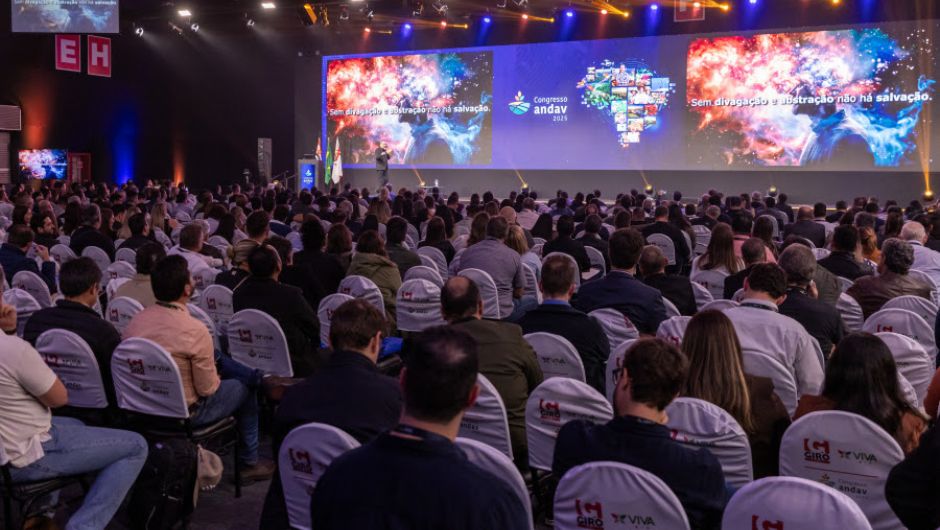
The competitiveness of Brazilian agribusiness no longer depends solely on productivity, technology, and climate. In recent years, factors such as high interest rates, changes in trade and international relations, new regulatory requirements from import markets, expansion of private credit, and the implementation of tax reform have begun to directly influence the investment and growth decisions of companies linked to the sector.
It is in this context that the 15th Andav 2026 Congress will bring together, from August 11th to 13th, at the Transamérica Expo Center in São Paulo, leading figures such as Ricardo Amorim, Alexandre Baldy, Paulo Camargo, Carlos Cogo, Antonio da Luz, and other experts and leaders in the Distribution sector for lectures and panels on the most relevant topics involving the "Brazilian Agroeconomy: Reflections for the Future".
The debate takes place at a time of transition for agribusiness. On one hand, Brazil is increasing its relevance as a global supplier of food, fiber, and renewable energy. On the other hand, companies and producers face an environment marked by greater financial complexity, regulatory changes, and a reconfiguration of global trade flows. The competition for markets, tensions between major economies, the environmental agenda, and new financing mechanisms have come to occupy an increasingly important place in companies' strategies.
“The agribusiness agenda has become broader and more complex. Tax issues, access to credit, sustainability, the regulatory environment, and international competitiveness have become part of companies' routine decision-making. The Andav Congress seeks to bring together different perspectives to discuss these issues in a pragmatic way, connected to the reality of the sector,” says Paulo Tiburcio, executive president of Andav.
Financing agricultural activity will be another central focus of the program. With the growing participation of private instruments and the capital market, the sector is seeking alternatives to complement traditional rural credit resources. In parallel, topics such as judicial reorganization, risk management, and financial security have gained significant prominence in discussions within the production chain.
The agenda also includes discussions on market access, the relationship between distributors and industry, leadership, business succession, people management, and bioenergy. Amid the advancement of the energy transition, Brazil is expanding its position as a benchmark in renewable fuels, a topic that is expected to gain increasing relevance in the strategy of companies in the sector.
During the Congress, the National Distribution Survey Andav 2026 will also be presented. This study, developed in partnership with Cepea/Esalq-USP, has become one of the main references for analyzing the agricultural input distribution market. The survey gathers indicators on revenue, infrastructure, credit, management, technology, human resources, and sector expansion trends.
“Distribution is a strategic link for the competitiveness of agriculture. It connects technology, technical assistance, market intelligence, and financial solutions to rural producers. The Congress reflects this evolution and seeks to promote discussions aligned with the challenges that are already shaping the future of the sector,” explains Tiburcio.
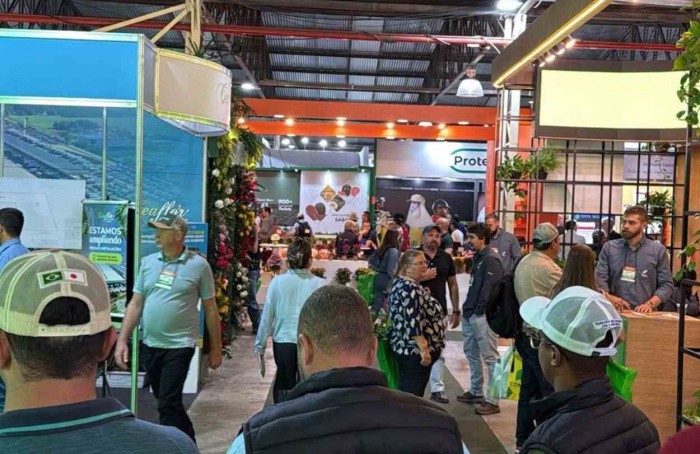
With over 24 square meters of exhibition space and the participation of hundreds of brands and institutions linked to agribusiness, the Andav 2026 Congress will bring together the main players responsible for connecting innovation, knowledge, and business in one of the most important chains in the Brazilian economy.
Receive the latest agriculture news by email


Receive the latest agriculture news by email