Mosaic reports a loss of US$72 million in the third quarter
The result contrasts with a profit of US$411 million in 2025; Brazilian operations register a drop in sales
03.11.2026 | 19:01 (UTC -3)
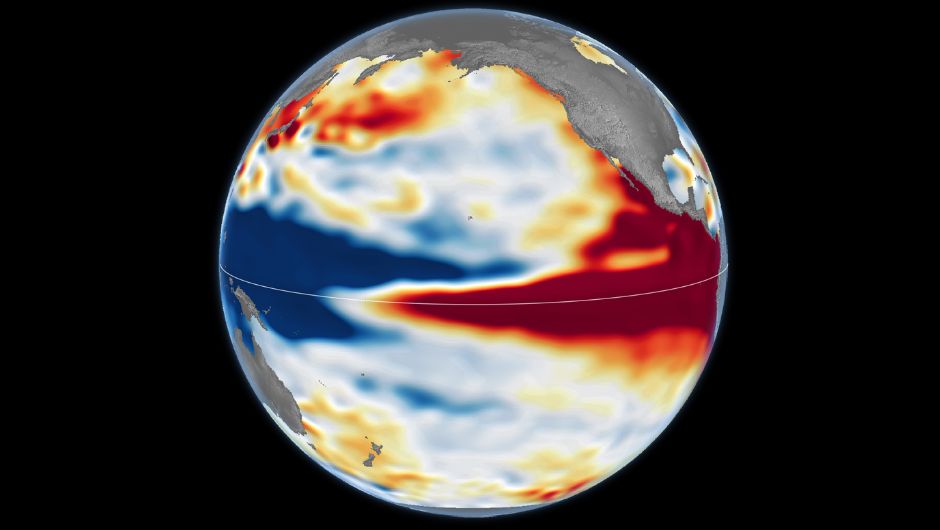
Brazil is expected to face a summer marked by climatic contrasts under the influence of a very strong El Niño. The forecast, analyzed by ClimaInfo, predicts that the phenomenon will maintain its high intensity between November and January, with the possibility of reaching its highest level since 1950. The effects on rainfall distribution and temperatures may persist even after the warming of the Pacific Ocean waters begins to weaken.
The scenario is presented in the fifth edition of the El Niño 2026–2027 Panel, released at the end of October by the National Institute of Meteorology (Inmet) and six other federal agencies. The bulletin compiles climate and hydrological projections that indicate worsening drought in areas of the North and Northeast and a greater risk of flooding in the South and Southeast.
Signs of intensifying drought are already appearing in monitoring indicators. According to the National Center for Monitoring and Alerts of Natural Disasters (Cemaden), the number of Brazilian municipalities experiencing extreme drought increased from four in August to 68 in October. During the same period, the number of localities classified as experiencing severe drought increased from 153 to 232. The October data are still partial.
The situation is most worrying in the Northeast, but it also affects Roraima and Amazonas. In these regions, the reduction in rainfall could compromise the availability of water for agricultural activities and supply.
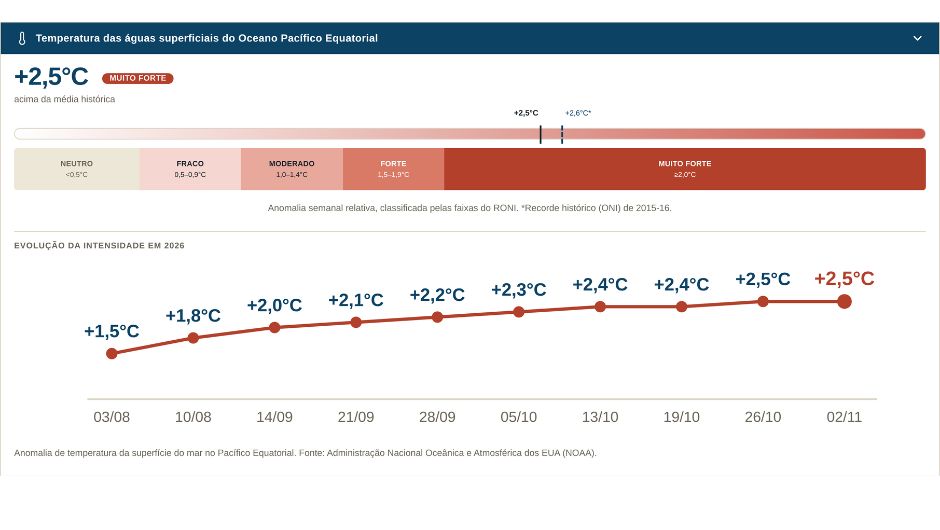
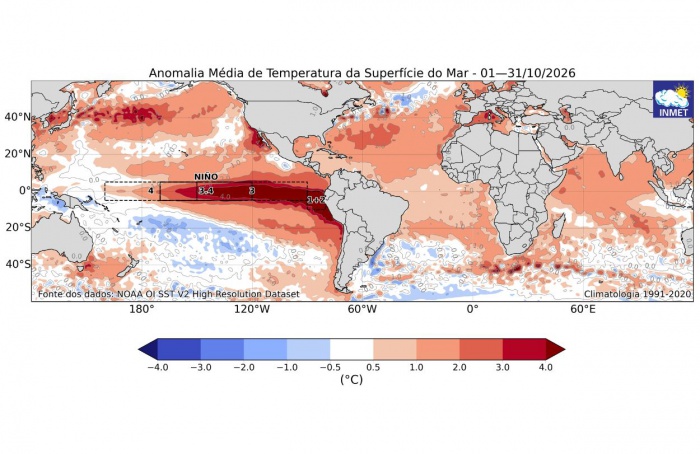
The intensity of the phenomenon is also reflected in sea surface temperature measurements. According to Inmet, the Niño 3.4 region recorded an anomaly of +2,47 °C in October, the highest ever observed for the month. In the Niño 3 area, closer to South America, the weekly anomaly reached +3,7 °C, also a record.
The reading from the United States National Oceanic and Atmospheric Administration (NOAA) on November 2nd indicated an anomaly of +2,5 °C in the Niño 3.4 region. This was the eighth consecutive week with values in the very strong intensity range.
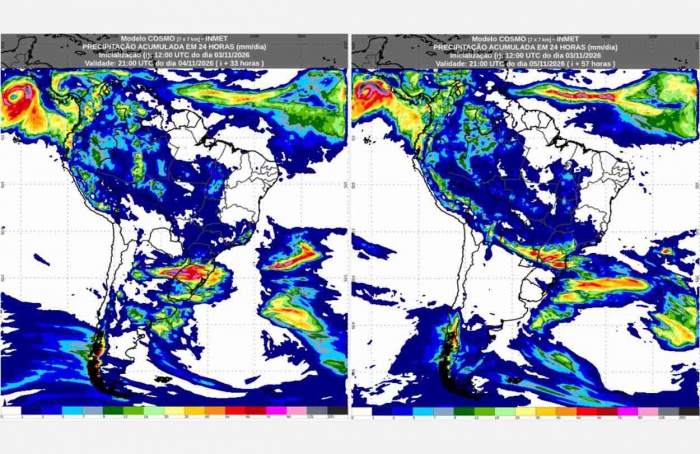
While parts of the country face water shortages, projections indicate above-average rainfall and high water flows in river basins in the South and Southeast.
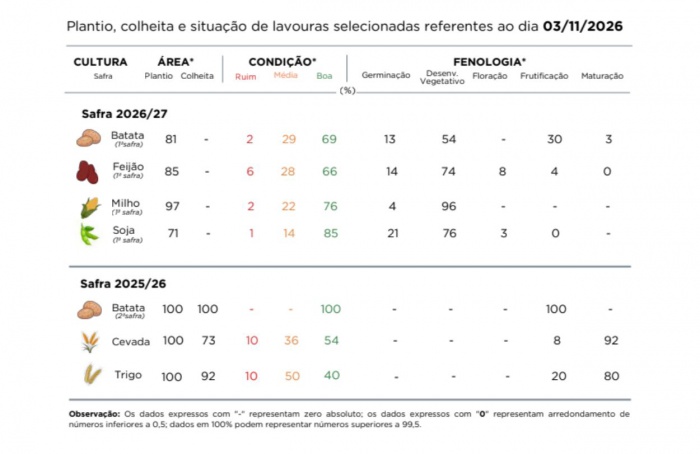
In the southern region, excessive rainfall could hinder wheat harvesting operations and compromise grain quality. Monitoring by the Brazilian Geological Survey (SGB) has already identified high levels in the Uruguay River basin. In recent days, sections of the river in Rio Grande do Sul and Santa Catarina have reached alert levels.
In the Southeast region, the risk of flooding becomes more significant in January, especially in the basins of the Doce River, in Minas Gerais and Espírito Santo, and the Paraíba do Sul River, which encompasses areas of São Paulo, Minas Gerais, and Rio de Janeiro.
The El Niño Panel also points to a risk of water scarcity for crops in Roraima, Amapá, the Lower Amazon, and areas of Pará. In the semi-arid region and eastern Northeast Brazil, the forecast indicates low water availability.
In the Amazon, drought could worsen difficulties in accessing water and public services in riverside and indigenous communities. The Negro and Branco river basins are among the areas requiring the most attention. The Panel identifies 1.219 locations under hydrological restriction, with an estimated population of 2,2 million people, in addition to 70 indigenous health base centers in a situation of severe drought.
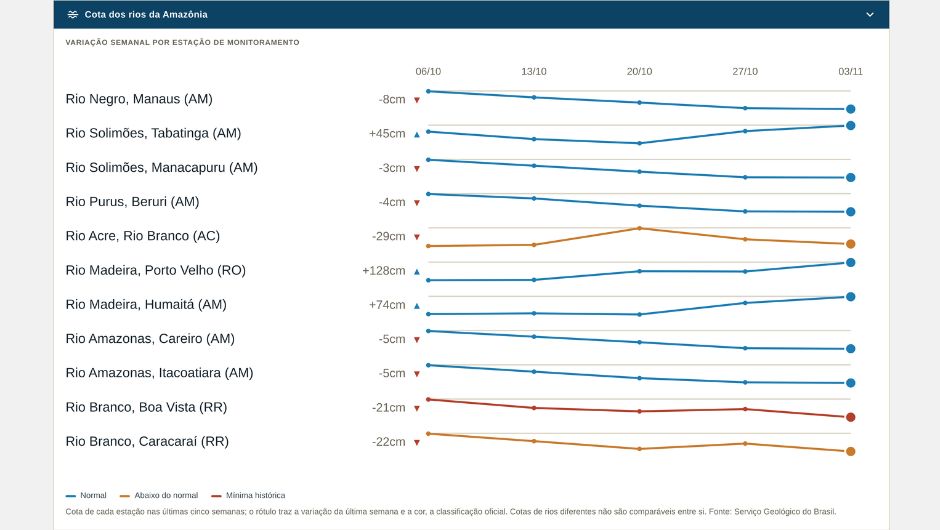
In Boa Vista (RR), the Rio Branco reached 36 centimeters on November 3rd, after dropping 21 centimeters in a week. The level was only 12 centimeters away from the lowest mark ever recorded for that date. The Inmet forecast indicates below-average rainfall in Roraima during November. During the 2015–2016 El Niño, the river reached its lowest level in its historical record in the capital in February 2016.
The drought is also increasing concerns about forest fires. In Roraima, the risk is expected to be most critical between December and April.
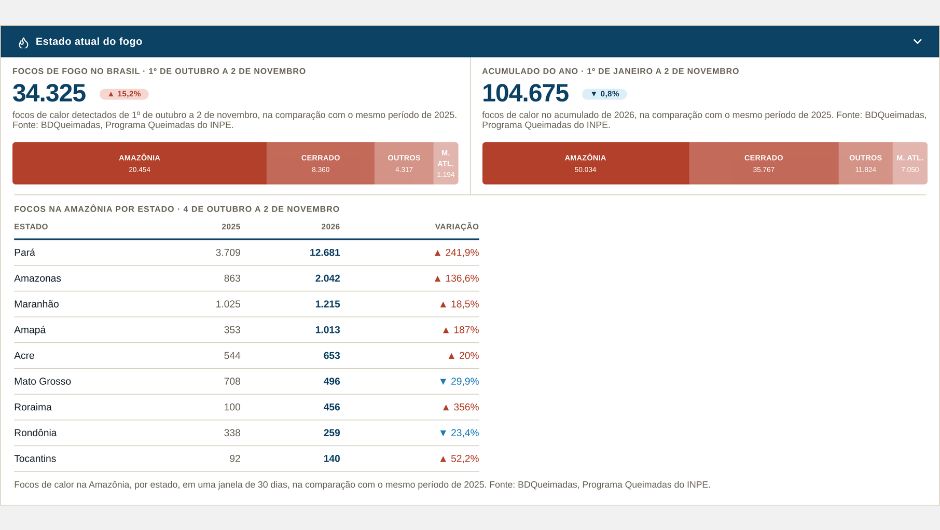
Monitoring data shows that October ended with 32.454 hotspots in Brazil, a volume 13,2% higher than that recorded in the same month of 2025. Of this total, 18.907 occurred in the Amazon, 2,4 times the number observed in October of last year.
In the 30 days ending November 2nd, the Amazon biome accounted for 59,6% of the fires recorded in the country, compared to 29,7% in the same period of 2025. Pará was responsible for approximately two-thirds of the occurrences in the Amazon and is among the states with below-average rainfall forecast for November.
The report also points to an increase in the impacts associated with extreme weather events. Between October 4th and November 2nd, rain, strong winds, and hail hit 44 municipalities in 11 states, leaving two dead and 1.479 people displaced or homeless. This number is 3,7 times higher than that recorded in the same period of 2025.
In the year to date, 600.923 people have had to leave their homes due to extreme events, a 75% increase compared to 2025. However, the total number of people affected was 7,9% lower.
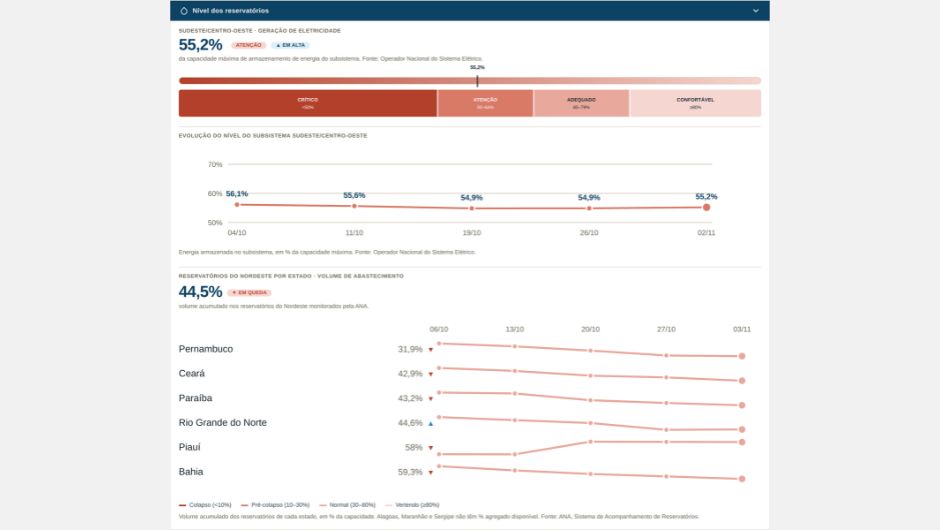
Despite regional differences in water availability, hydroelectric reservoirs have begun to recover in parts of the country. On November 2nd, the Southeast/Central-West subsystem, responsible for the largest share of Brazilian electricity generation, recorded a storage level of 55,2%, after four consecutive drops.
The Brazilian National Electric Energy Agency (Aneel) maintained the green tariff flag for November, meaning no additional charges on electricity bills.
In the Northeast, reservoirs intended for water supply registered a level of 44,5%. In Ceará, which concentrates more than half of the region's storage capacity, the index reached 42,9%. For December, Inmet projects a soil water deficit exceeding 150 millimeters in the center of the state.
The projections reinforce the need to monitor meteorological and hydrological conditions over the coming months. For the agricultural sector, the uneven distribution of rainfall presents distinct challenges: while drought may limit crop development and water availability in areas of the North and Northeast, excessive rainfall in the South may interfere with field operations and production quality.
Receive the latest agriculture news by email



Receive the latest agriculture news by email