Inmet: weather forecast for Thursday (October 1st) and Friday (October 2nd)
A cold front is increasing instability in the Central-West and Southeast regions, with a risk of storms and hail.
30.09.2026 | 17:05 (UTC -3)
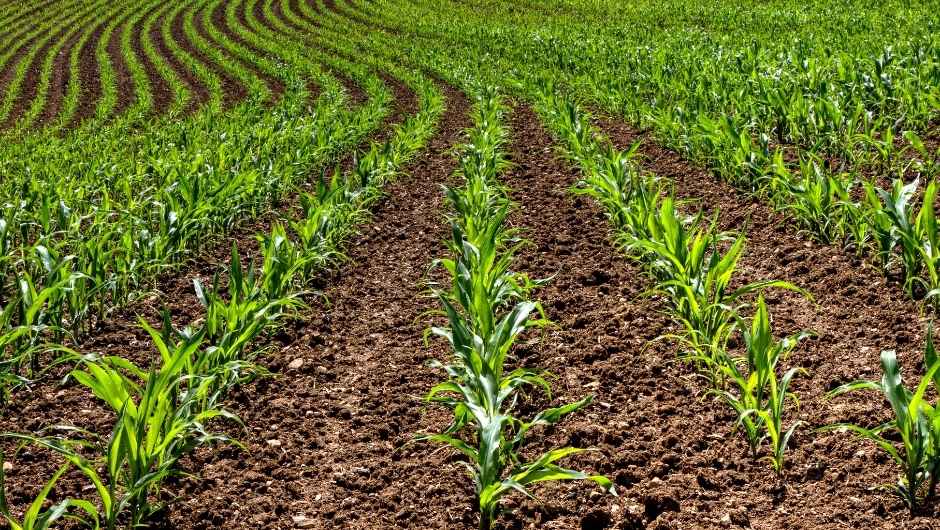
Corn planting has reached 73% of the planned area in Rio Grande do Sul for the 2026/27 crop season. Progress is occurring with good initial establishment in most fields, but requires attention to phytosanitary management. Corn leafhoppers and stink bugs continue to exert pressure in different regions. There were also localized losses due to frost and hail, with significant damage in the Northwest. Emater/RS projects 896.401 hectares cultivated and an average productivity of 7.711 kilograms per hectare.
The planted areas remain in germination, emergence, or vegetative development. Rising temperatures and water availability favored establishment. Crops sown earlier show good stand and vigor. Low temperatures delayed growth in some locations, with no indication of loss of yield potential up to the survey of October 1st.
In São Borja, planting has reached 99% of the planned regional area of 25 hectares. The plants show good population and development. Rainfall has favored the response to nitrogen fertilization in topdressing. Producers maintain regular monitoring of the corn leafhopper.
In the Ijuí region, planting reached 92%. The crops recovered from the effects of the frosts of September 7th and 8th. Growth gained momentum, with vigorous leaves and an intense green color. Producers carried out control of leafhoppers and stink bugs as needed. Hail recorded on September 27th caused localized damage, most notably in Catuípe.
In the Santa Rosa region, 86% of the planned area received seeds. Soil moisture, sunshine, and mild temperatures favored vegetative development. The leafhopper is present in a large part of the crops. Monitoring also includes the green stink bug and cutworm. Winds and hail caused mechanical damage to the plants. The extent of the damage is still being assessed.
Santa Maria is experiencing a slower pace of planting. Just over 30% of the regional area has received seeds. Heavy rains, wind, and hail hit crops on September 26th. In Santiago, approximately 180 hectares suffered damage, with estimated productivity losses of 60%.
Rice planting is also progressing towards the 2026/27 season. The pace varies according to soil moisture and conditions for machinery traffic. In the Western Border region, planting has surpassed 50% of the area in Itaqui, Maçambará, and São Borja. Heavy rains caused flooding in some areas. The rising water levels posed a risk of damage to dikes, drains, canals, seeds, and fertilizers.
The Rio Grande do Sul Rice Institute projects 861.779 hectares under cultivation. Emater/RS estimates an initial productivity of 8.741 kilograms per hectare. In Dom Pedrito, excess moisture limited the entry of machinery and kept sowing at 10% of the planned area. In Pelotas, planting reached 8%. Santa Maria registers about 10%.
The first bean crop has also entered the planting period. Emater/RS projects 24.587 hectares and an initial yield of 1.759 kilograms per hectare. Higher temperatures have favored the resumption of development. Colder environments still show slow initial growth.
Phytosanitary management of beans focuses on pest and weed control. In the Ijuí region, planting has reached 62%. Producers are carrying out interventions as needed. In Santa Maria, hail, torrential rain, and strong winds caused physical damage and toppling of plants.
In winter crops, disease pressure also keeps phytosanitary management at the center of decision-making. In wheat, high humidity favored ear diseases, especially Fusarium head blight. The crop has 57% of the area in the grain-filling stage, 21% in maturation, 19% in flowering, and 1% harvested.
Frederico Westphalen is experiencing a significant incidence of Fusarium head blight, with efforts focused on fungicide applications. In Ijuí, there has been an increase in the occurrence of ear diseases. In Soledade, areas planted late are showing leaf spots, rust, powdery mildew, and Fusarium head blight.
Canola also presents sanitary contrasts. In Frederico Westphalen, the fungus Sclerotinia sclerotiorum caused significant losses. The region estimates productivity at 1.500 kilograms per hectare. In other areas, low incidence of pests and diseases allowed for satisfactory sanitary conditions. Emater/RS estimates 353.397 hectares cultivated with canola and an average productivity of 1.619 kilograms per hectare.
Receive the latest agriculture news by email



Receive the latest agriculture news by email