Inmet: weather forecast for Thursday (16) and Friday (17)
Storms return to Rio Grande do Sul; cold front keeps rain in eastern Northeast Brazil.
15.07.2026 | 16:51 (UTC -3)

Wheat sowing in Rio Grande do Sul has reached 93% of the area planned for the 2026 harvest and is practically complete in the Northwest region. Progress is slower in the Southeast and in higher altitude areas, where agricultural zoning allows planting until the end of July. This information is contained in the Emater/RS Conjunctural Report, released this Thursday (July 16).
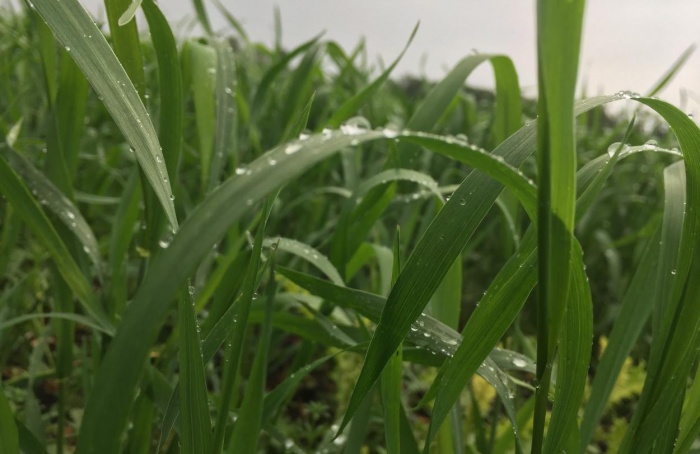
Wheat crops are predominantly in the vegetative and tillering stages. According to Emater, low temperatures have favored this phase of the crop, and the increased incidence of solar radiation has contributed to improving the development and appearance of the plants. For the 2026 harvest, the estimated area under cultivation is 814.220 hectares, with an average yield of 2.701 kilograms per hectare.
In canola, crops are showing satisfactory development. Most remain in the vegetative phase, while 6% of the areas are already flowering and small plots are beginning grain filling. Although recent frosts may have caused damage, the effects will still depend on the development of the plants. Crop health is considered adequate, and producers have intensified topdressing fertilization. The estimated area for the crop is 353.397 hectares, with an expected average yield of 1.619 kg/ha.
The planting of white oats is in its final phase, with only higher altitude areas remaining. The crops show good establishment and vegetative development, with tillering and stem elongation in the earliest areas. Mild temperatures and increased solar radiation have favored plant growth. In general, there are no reports of significant phytosanitary problems, and producers continue with routine management practices. The estimated area is 387.697 hectares, with an average productivity of 2.322 kg/ha.
In barley, planting is practically complete throughout the state, remaining underway only in regions where the sowing calendar still allows operations to advance. Although excess moisture and lower solar radiation slowed initial development, the sunnier days recorded during the period favored crop recovery. Producers are focusing their management on phytosanitary monitoring, mainly due to conditions favorable to the occurrence of foliar fungal diseases. Emater projects an area of 20.320 hectares and an average productivity of 3.020 kg/ha.
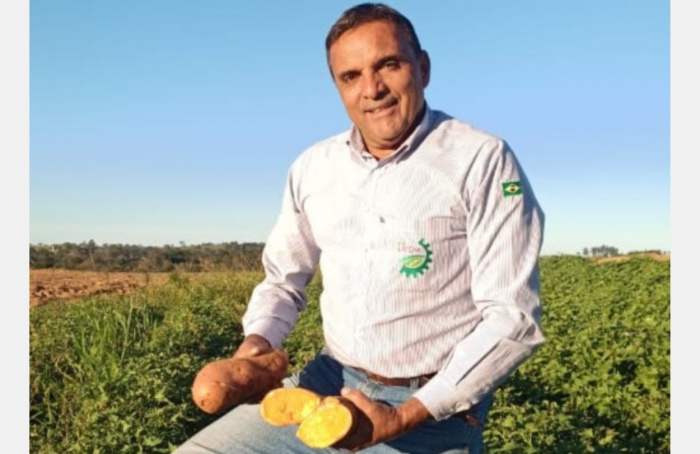
Among vegetable crops, the cassava harvest is entering its final phase in Uruguaiana, but the intense cold has reduced the quality of the roots and made marketing difficult. In São Vicente do Sul, reports of gray mold occurrence in tomato crops persist.
Regarding fruit trees, Emater highlights that mild temperatures favor temperate climate species, but low solar radiation and high humidity increase the risk of fungal diseases, such as gray mold and rot. For peaches, flowering, production pruning, and phytosanitary treatments continue. For grapevines, producers carry out winter fertilization and applications of lime-sulfur solution.
In citrus farming, harvesting continues, primarily for self-consumption and direct sale, while producers maintain monitoring for the citrus psyllid (HLB), which transmits citrus greening disease, and control ants. Meanwhile, producers are beginning to plan for the next melon and watermelon harvest, with advance purchases of seeds and inputs.
In the strawberry fields, areas planted in April are flowering, while protected crops are still being harvested, although production is low. The San Andreas cultivar has been performing well under the region's conditions, and in Santo Cristo, a new area with approximately 2.500 seedlings of the BRS Fênix cultivar is being planted.
Receive the latest agriculture news by email


Receive the latest agriculture news by email