Cold weather persists in the South, Southeast, and Midwest regions of Brazil.
In the South, Southeast, and Central-West regions, stable weather predominates.
27.05.2026 | 18:26 (UTC -3)
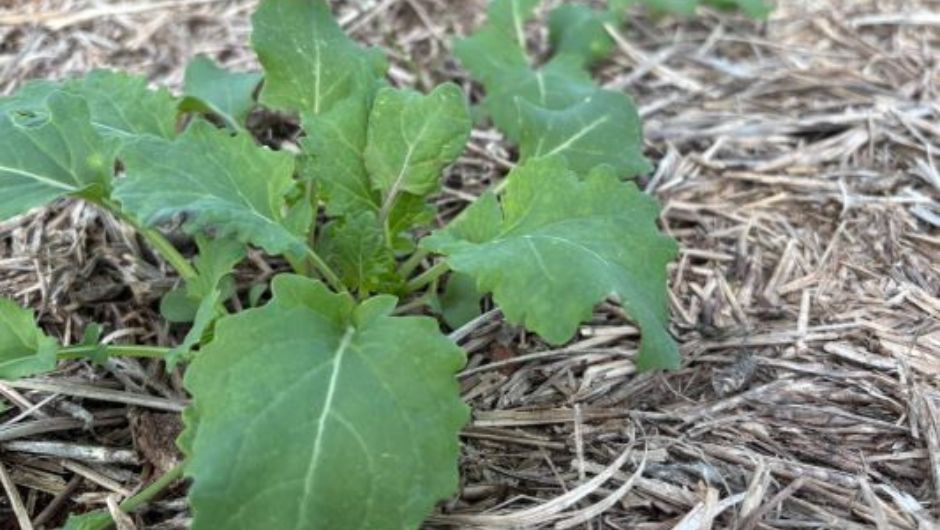
Canola sowing continues in all producing regions of Rio Grande do Sul. Favored by dry weather conditions and adequate trafficability in the fields, the operation is nearing completion in some areas, although the persistence of low soil moisture has slowed the pace of planting and affected plant emergence. According to the Conjunctural Report released by Emater/RS this Thursday (May 28), established canola crops are in the initial vegetative development stage. The trend is for a large expansion of the cultivated area, driven by more economically attractive alternatives and the diversification of winter production systems.
The area to be cultivated with canola in the state is still being surveyed by Emater/RS. In 2025, 174.394 hectares were cultivated, with an average productivity of 1.653 kg/ha and a total production of 285.481 tons, according to IBGE. In the Western Border region, the largest projected cultivation areas are in Maçambará and São Borja, with forecasts of 12.268 and 10.000 hectares respectively. Due to insufficient soil moisture after a long sequence of days without rainfall, some areas will still be planted outside the optimal sowing window, which ended on the 20th. In the Campanha region, cultivation is only planned for Lavras do Sul.
In the Santa Rosa region, most of the areas intended for oilseed cultivation have been sown and show reasonable emergence. However, the irregular distribution of rainfall in recent weeks has resulted in uneven emergence, especially in areas with lower moisture retention. This condition tends to cause uneven development and maturation of the plants, with a potential negative impact on grain quality and increased losses during mechanized harvesting. In the Soledade region, canola sowing is in its final stages. The projected cultivation area is approximately 9.000 hectares.
Wheat sowing is in its initial phase, coinciding with the opening of the Agricultural Zoning of Climatic Risk (Zarc) for the main materials used in the State. Dry weather conditions favored stubble management, desiccation, and land preparation operations, allowing for the initial advancement of crop establishment. However, in some producing regions, low soil moisture limited the establishment of the first sown areas, forcing producers to wait for more regular rainfall to ensure adequate germination and emergence conditions.
The wheat outlook for the 2026 harvest indicates a significant reduction in cultivated area compared to the previous cycle, due to a combination of factors such as high production costs, low economic attractiveness of the cereal, and increased perception of production risk associated with the El Niño phenomenon during the winter and spring. However, sowing is being brought forward in some areas not linked to financing or insurance coverage, as a strategy to position the flowering and grain-filling phases before the intensification of spring rainfall. The estimated area to be cultivated with wheat in the 2026 harvest is being surveyed by Emater/RS. In the previous harvest, Rio Grande do Sul cultivated 1.166.163 hectares of wheat, with an average productivity of 2.968 kg/ha and a total production of 3.458.083 tons, according to IBGE data.
Planting has progressed in the main producing regions, favored by suitable soil conditions and predominantly dry weather. The first planted crops show satisfactory establishment, plant stand, and vegetative development, as well as a low incidence of pests and diseases. However, producers are showing greater caution regarding the level of technological investment employed in the crop, due to the increased costs of fertilizers and other inputs. The crop shows a tendency to maintain or slightly increase the cultivated area in the State compared to the previous harvest.
In some regions, the expectation of expanding the area cultivated with white oats is linked to the demand for animal feed and to crop-livestock integration systems, which maintain part of the areas with potential alternative use for soil cover in case of unfavorable weather conditions. The estimated cultivated area for 2026 is being surveyed by Emater/RS. In the 2025 harvest, the state cultivated 393.135 hectares, with an average productivity of 2.394 kg/ha and a total production of 935.664 tons, according to IBGE data.
The area under cultivation in the state is expected to decrease significantly in 2026, estimated at over 30% compared to the previous cycle. This reduction stems from the increased perception of climate risk due to the El Niño phenomenon during the winter and spring, even with the continued availability of contracts linked to the brewing industry. The area under cultivation in 2026 is currently being surveyed by Emater/RS. In 2025, the planted area was 32.010 hectares, with an average productivity of 3.622 kg/ha. The already planted areas show adequate initial establishment and vegetative development.
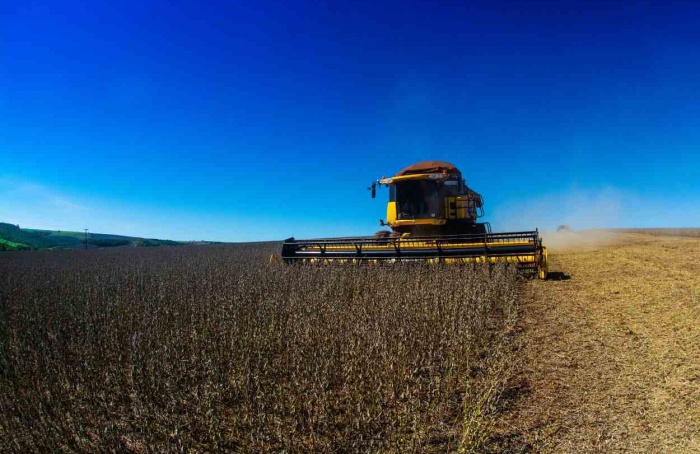
Soybean harvesting is in its final stages in the state, reaching 99% of the cultivated area. Predominantly dry weather and good road conditions have favored the progress of operations and the completion of the harvest in most producing regions. Remaining areas are second-crop soybeans, planted after early-maturing corn, and late-planted plots, planted after the period of water scarcity at the beginning of summer, which are completing their physiological cycle. In these areas, there are some isolated losses due to natural shattering resulting from the delayed harvest of already mature crops.
Productivity remains quite heterogeneous due to the sowing season, the water regime throughout the cycle, and the potential of late-planted crops. In areas subjected to more intense water deficit, especially in shallow or sandy soils, significant losses occurred. The average productivity estimated by Emater/RS is 2.871 kg/ha, and the cultivated area is 6.624.988 hectares.
Harvesting progressed insignificantly, remaining at an average of 96% of the cultivated area, varying by the same percentage point as the previous week. Remaining crops are second-crop fields and those planted in the later stages of the Agricultural Zoning of Climatic Risk (Zarc), which are maturing (4%). Some of these areas, without statistical significance, are still in the grain-filling stage, susceptible to the effects of the low temperatures recorded in May. In general, frosts caused limited damage to tassels and slowed the cycle, especially in lowland areas and in late-planted crops with longer-cycle hybrids. Some of the most affected areas were directed to silage production.
Producers have begun planning for the next corn crop, including planting cover crops and green manure, as well as evaluating production costs, especially fertilizers. Emater/RS estimates the cultivated area at 803.019 hectares, and the average state productivity at 7.424 kg/ha.
Harvesting is practically complete in Rio Grande do Sul, reaching 98% of the cultivated area. Dry and cold weather conditions favored cutting and silage operations, accelerating the work, but causing varying degrees of frost damage, especially in later-planted crops. However, the impacts on forage volume and quality were small, despite localized losses and reduced yield potential in certain areas. Emater/RS estimates an area of 345.299 hectares and an average yield of 37.840 kg/ha.
Harvesting has reached 57% of the cultivated area in the state. Crops in the maturation stage represent 37%, and those in the grain-filling stage represent 6%. The predominance of low temperatures and the occurrence of frosts influenced the final development of the crop, especially in late-planted crops. The observed damage was more intense in lowland areas and in crops still in the grain-filling stage, although a large part of the areas were already in more advanced stages, which reduced the impacts on pod and grain formation. The cold also contributed to slowing the pace of plant development and accelerating physiological maturation in some of the affected areas. Emater/RS projects an area of 11.690 hectares and an average productivity of 1.401 kg/ha.
The irrigated rice harvest is technically complete in the state. Only isolated areas with late planting and small farms with operational limitations remain. In general, the consolidated results of the harvest indicate satisfactory productive performance, with final yields exceeding initial estimates in several producing regions. Conversely, the marketing scenario remains unfavorable, marked by prices lower than those observed in the previous cycle and below the historical average. The cultivated area, according to the Rio Grande do Sul Rice Institute (Irga), is 891.908 hectares, and the productivity projected by Emater/RS is 8.744 kg/ha.
Receive the latest agriculture news by email


Receive the latest agriculture news by email