Irregular rainfall harms second-crop corn in Paraná
Water deficit and heat reduce initial development and increase the risk to productivity.
18.03.2026 | 18:02 (UTC -3)
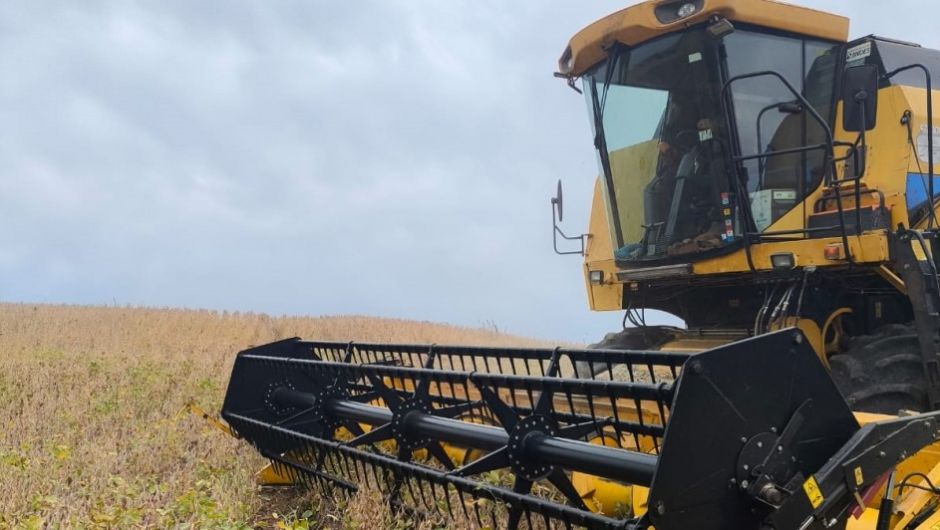
Soybean cultivation in Rio Grande do Sul is nearing the end of its cycle, with the grain filling (50%) and maturation (37%) phases predominating, in addition to the start of the harvest, which has already reached 5% of the cultivated area. The data is included in the Conjunctural Report released this Thursday (19) by Emater/RS.
According to the survey, irregular and poorly distributed rainfall, coupled with high temperatures, continues to impact crop performance. Average productivity was re-estimated at 2.871 kg per hectare, a 9,7% reduction compared to the initial crop projection. The cultivated area is estimated at 6,62 million hectares.
In the corn sector, the harvest has already reached 68% of the areas, while 18% of the crops are in the final stage of maturation. Productive performance is considered heterogeneous across regions, reflecting the effects of irregular rainfall and periods of water deficit, especially during the most sensitive stages of development. The average productivity is projected at 7.424 kg per hectare, in an area of 803 hectares.
Corn destined for silage shows staggered development depending on the sowing time. In the earliest areas, ensiling has already been completed, while late crops are still developing. The average productivity is estimated at 37.840 kg per hectare, in an area of 345 hectares.
In the first bean crop, the harvest is practically complete. Adverse weather conditions, with water scarcity and high temperatures during the reproductive period, negatively impacted late-planted crops, mainly in the northeastern region of the state. Even so, the quality of the grains is considered adequate. The average productivity is 1.781 kg per hectare.
For the second bean crop, vegetative and reproductive stages predominate, with development considered satisfactory in areas with better water availability. Productivity is estimated at 1.504 kg per hectare.
In irrigated rice cultivation, the maturation and harvesting phases predominate. Productivity has remained satisfactory, with high yields recorded in several areas, despite climatic variations throughout the cycle. According to the Rio Grande do Sul Rice Institute, the cultivated area reaches 891,9 hectares, while the projected average productivity is 8.744 kg per hectare.
Receive the latest agriculture news by email


Receive the latest agriculture news by email