





Federal Government creates Sovereign Brazil Plan
Provisional Measure 1.309/25 establishes an emergency package with financial support, credit insurance, and public food purchases
13.08.2025 | 17:07 (UTC -3)
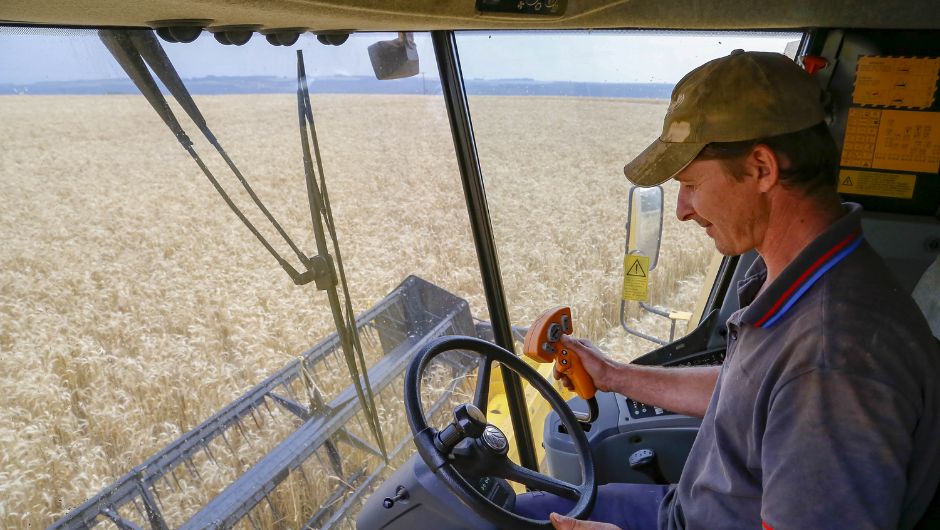
Wheat harvesting, Paraná's main winter crop, began this week. According to the Agricultural Situation Bulletin, published today (August 14) by the Department of Rural Economy, approximately 8% of the 0,5 hectares dedicated to wheat have been harvested this season. The projection made in July was 833 million tons.
Carlos Hugo Godinho, an agronomist at Deral, points out that harvested areas, especially in the Londrina region, showed normal productivity—even though it was one of the regions most affected by the cold front in late June. "The progress of harvesting may reveal a different reality, but the initial normal results are something to celebrate," he said.
He also highlighted the quality of the product harvested from the field, which must match the classification predicted when the wheat grower selected the variety. More than half are suitable for producing "bread" wheat, and a little less than half for "improver" wheat. "However, climatic conditions are crucial for this proportion and can even alter it to better levels," Godinho reflected.
Producers who are harvesting with normal productivity and good quality have a positive, albeit small, profit margin over variable costs. Average prices are R$76,00 per bag, a slight decrease compared to July, but almost the same level as last year.
"This level can be considered positive for producers, given the devaluation of the dollar and the drop in international prices, both in the last month and in the last year, more intense than that observed in the domestic market," analyzed the Deral agronomist.
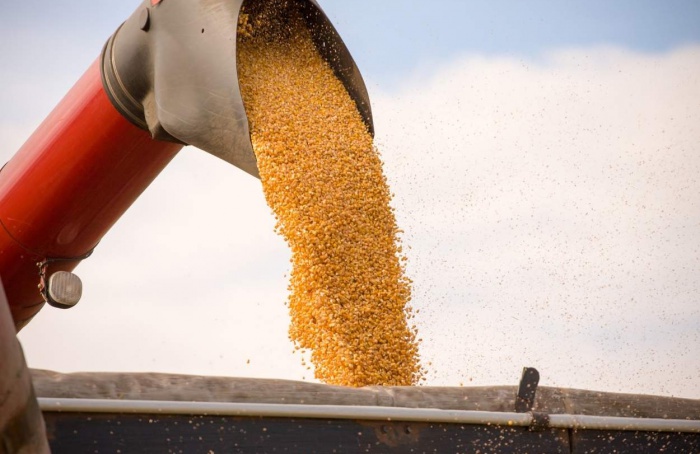
The document also records the 80% harvest of the second corn crop. For this cycle, 2,77 million hectares were planted in the state. This percentage is slightly above the average of the last five harvests.
According to analyst Edmar Gervásio, the performance is due to planting within the period recommended by agricultural zoning, as well as good harvest conditions in July and the first half of August. "In the final stages of the harvest, field reports confirm a great harvest, and even with lower prices than at the beginning of the year, it should provide satisfactory returns for Paraná producers," Gervásio assesses.
Receive the latest agriculture news by email



Receive the latest agriculture news by email