By Carlos Alberto Oliveira, from Escoop and Seapi/RS, Christian Bredemeier, André Luis Vian and Antonio Domingos Padula, from UFRGS
26.12.2024 | 16:24 (UTC -3)
Among the certainties that are established for humanity, we can list death, the change of things and the need to make choices in different spheres. Since the beginning of humanity, with varied nuances, this has been the case. Considering this context, agricultural activity is not free from this fate. Many of our ancestors dedicated themselves to producing food and ensuring the sustenance of their families. Today they are no longer with us and, clearly, the agriculture they practiced has also changed.
It is estimated that the human population will increase by more than 2060% by 30. In that same period, according to projections by the Food and Agriculture Organization of the United Nations (FAO), meat consumption, for example, is expected to increase by more than 70% and dairy products by 60%. On the other hand, the area of arable land will increase by only 5% and agricultural producers will have to deal with the challenges brought about by climate change and increasingly strict environmental regulations. This scenario imposes on the agricultural sector the need to increase the efficiency of production processes and the efficiency of the use of inputs in agriculture, while at the same time increasing productivity. According to Professor Fábio Marin, from the Luiz de Queiroz College of Agriculture (Esalq) at the University of São Paulo (USP), increasing efficiency in agriculture is the only way to guarantee food security for the human population in the future and, at the same time, protect natural ecosystems.
The implementation and adoption of innovations and technological advances in agriculture has continued to grow since the early 20th century, when the activity shifted from horse-drawn plows to mechanized tractors. The advent of plant biotechnology, the use of chemical inputs and, more recently, satellite navigation systems, precision agriculture and digital agriculture itself has transformed agricultural activity into an increasingly intense environment in relation to the use of technologies and innovations.
Agricultural innovations are typically applied using four different fields of knowledge, namely biological, chemical, mechanical and managerial (Evenson, 1974). However, a new area of knowledge is consolidating itself day by day, which is information and communication technologies (ICT). In the past, television and radio were the main electronic transmission technologies used, and the Internet has emerged as a new channel in the last two decades. In the recent past, the few cell phones that existed had limited resources, basically making phone calls, storing contact lists and sending text messages. More recently, information and communication technologies have come to include applications on computers and communication tools, such as social networks, digital information repositories (online or offline) and digital videos and photographs, as well as cell phones such as smartphones.
In the industrial and service sectors, the application of digital tools is a consolidated reality with daily innovations. There is an understanding that the agricultural sector still lags behind other economic segments in its ability to collect, synthesize, and express data as solutions to problems (Jackson, 2016; Satariano and Bjerga, 2016). Historically, geography, climate, and economic dimensions have limited the decision-making capacity of managers in agribusiness. Although managers have the desire to measure the impact of their decisions and actions, the cost of measurement usually exceeds the benefits of doing so. Innovations, which are part of a broad perspective of information and communication technologies, now offer the potential to fundamentally change the cost-benefit balance and, in doing so, promote the potential for value creation in agribusiness.
Needs and challenges
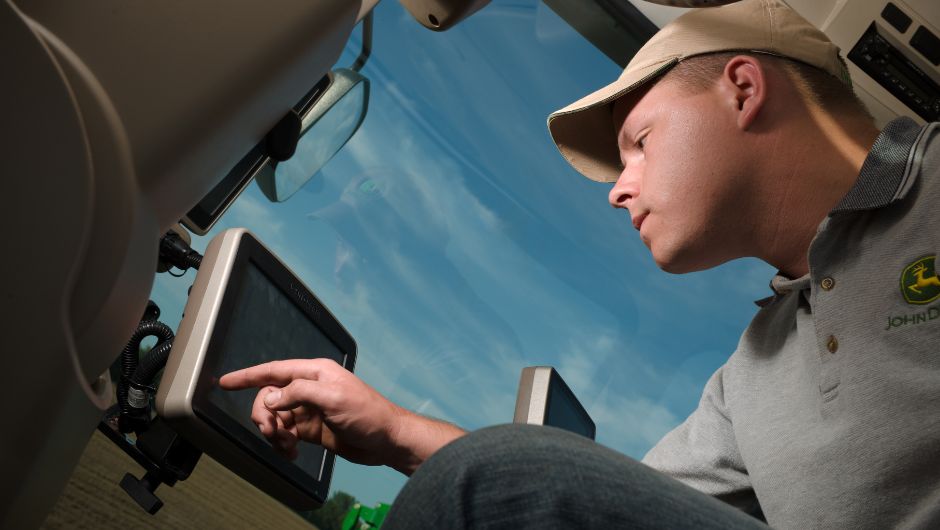
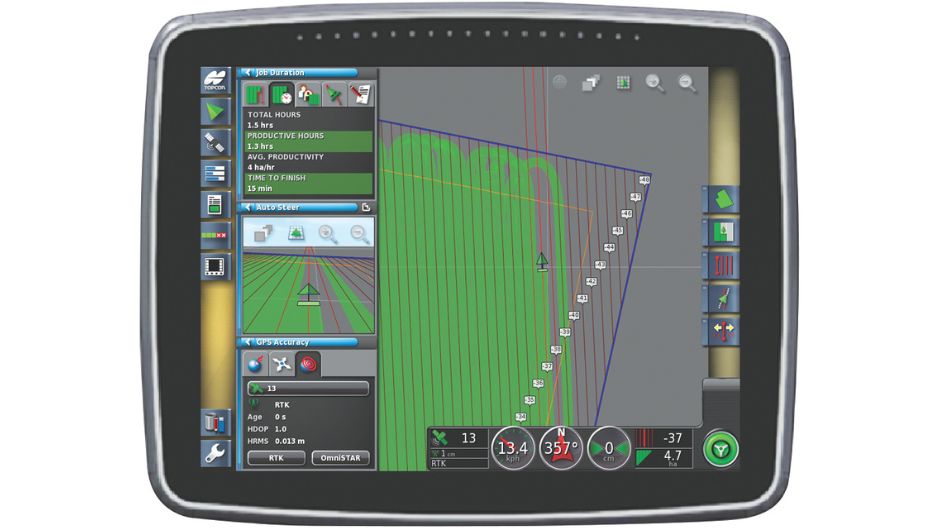
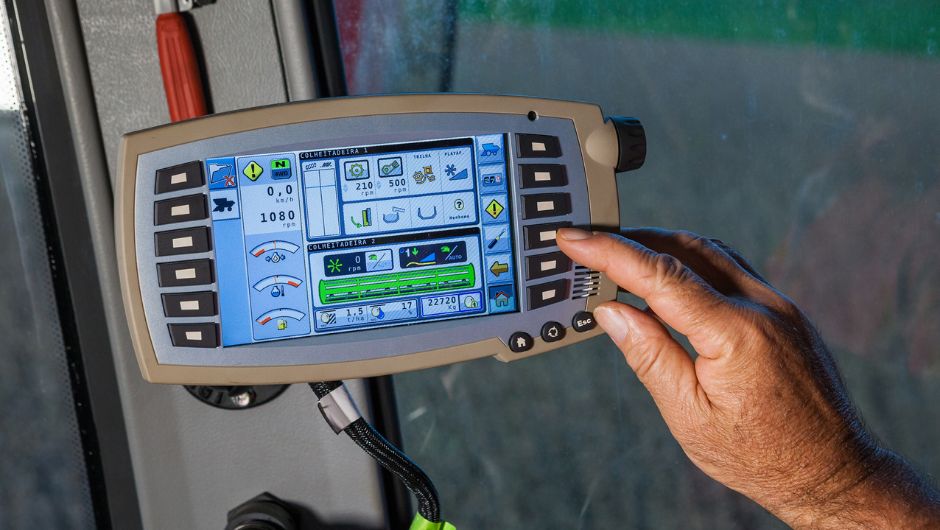
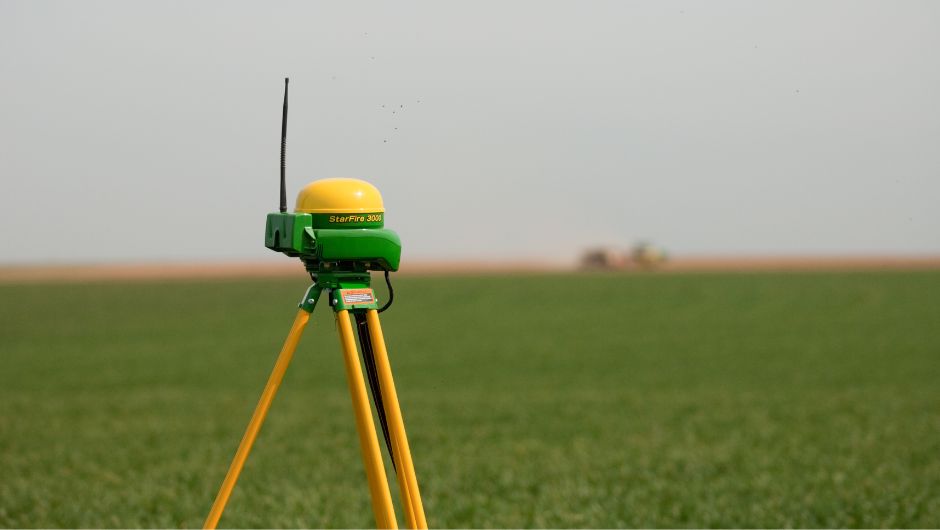
Information and communication technologies (ICT) are already present in agriculture, and software will gradually become as essential in this sector as it is in finance, commerce and many other segments of industry. Elements such as precision agriculture, satellite images, drones, connected sensors, machine telemetry and web-based systems will go from being supplementary items to basic, everyday items.
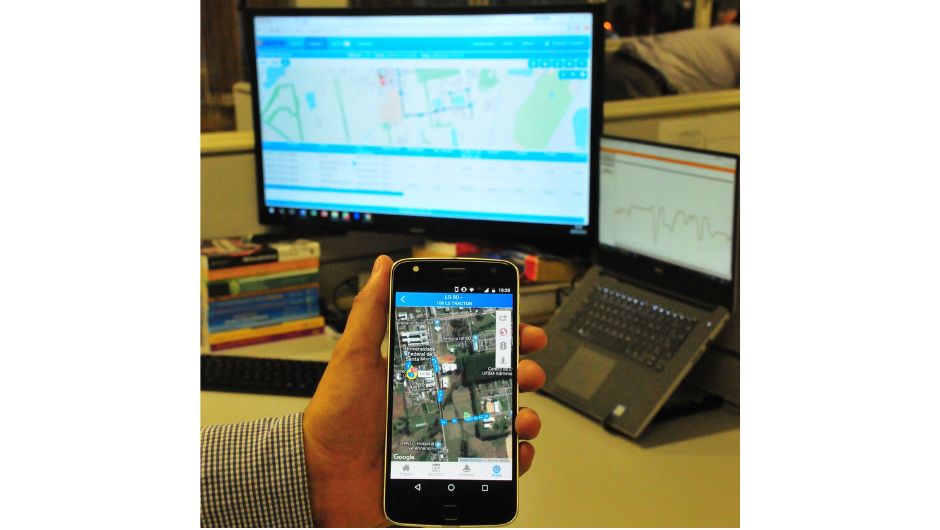
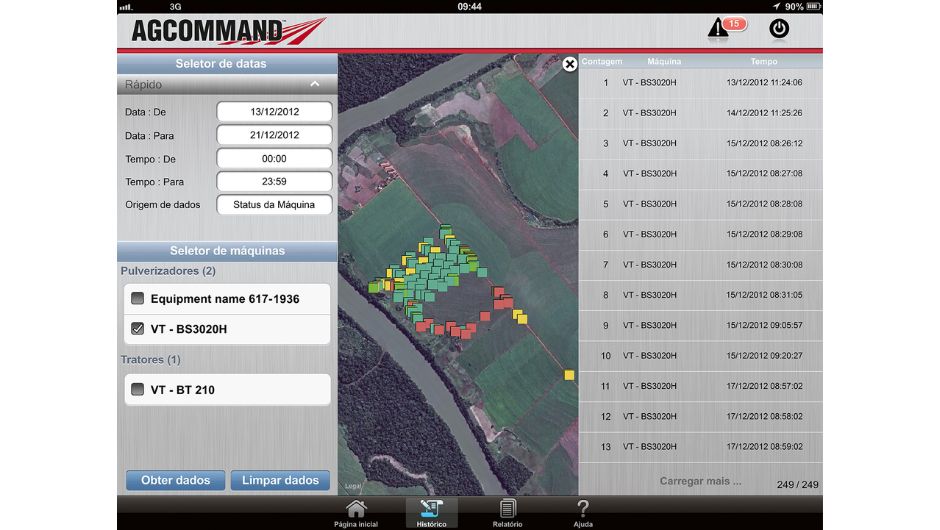
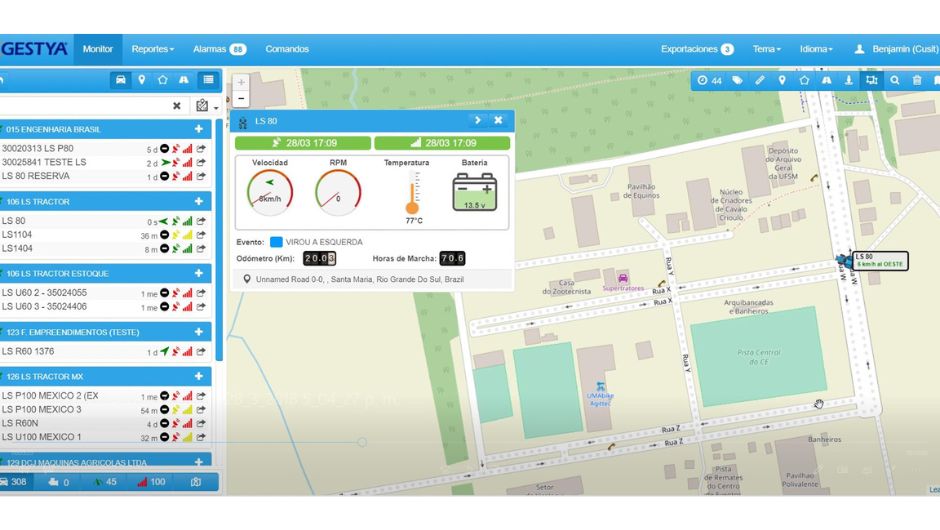
In this digital context, connectivity is essential. The dissemination, storage and manipulation of information occurs mainly through electronic means, and the volume of data collected is growing exponentially in the agricultural sector, especially considering the generation of information provided by different Precision Agriculture tools, such as productivity monitors, soil and plant sensors, mapping by unmanned aerial vehicles (UAVs), satellite images, automatic collection of operational data from agricultural machinery (Telemetry) and information about meteorological variables, among other sources of information. The collection, transmission and manipulation of this large volume of information resulted in the concept of “Connected Farm”.
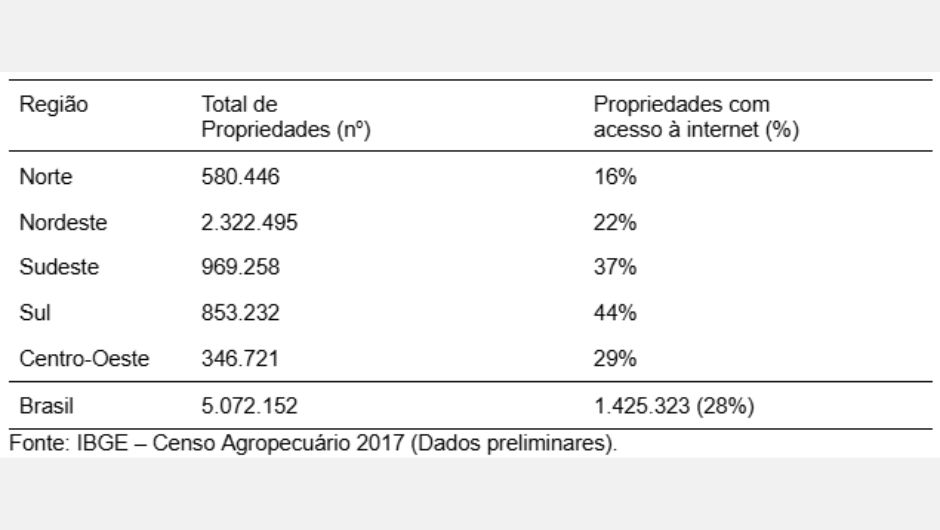
In Brazil, according to data from the IBGE (2018), in 2016, 116 million people were connected to the internet. Looking at rural areas, the 2017 Agricultural Census indicates the presence of an internet connection in 28% of rural properties (Table 1). When considering regional realities, a striking disparity is noted, which may be related to variations in population density, relief conditions and economic development between the different regions of the country.
Table 1 - total number of properties and properties with internet access, in different regions of Brazil
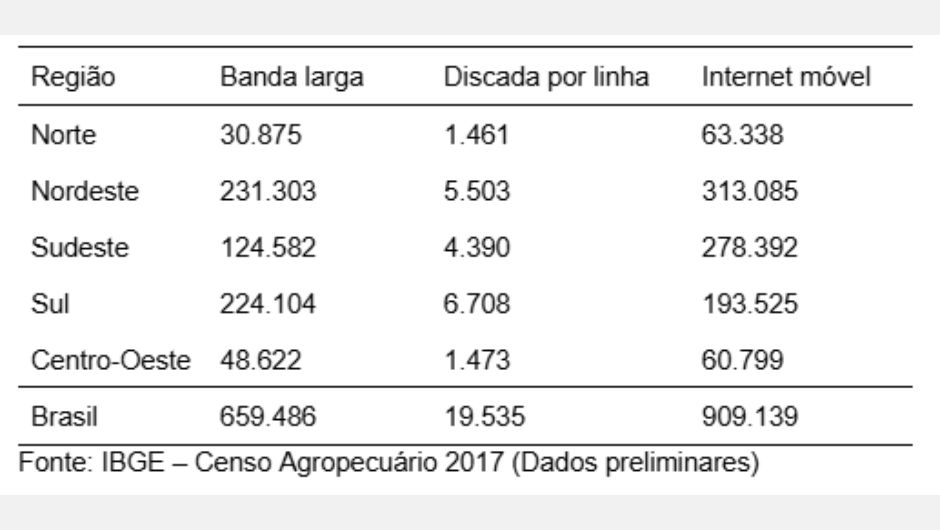
Regarding the type of connection adopted, mobile internet predominates, followed by broadband and, to a lesser extent, dial-up connection (Table 2). The category can influence the quality of the signal and the speeds achieved, thus influencing the user experience when using digital tools. The data also shows that the main means of accessing the internet for rural producers is via smartphones, a condition that supports the path taken by many AgTechs that have developed applications for mobile phones.
Developing connectivity technologies are broadening the prospect of overcoming access gaps, especially to the Internet in rural areas, such as satellite Internet and longer-range radios. In the case of applications for IoT devices, LoRa (Long Range) and LPWAN (Low Power Wide Area Network) technologies are also being developed, which aim to supply the bandwidth consumption of devices and have a greater range.
Table 2 - type of connection adopted in properties with internet access, in different regions of Brazil
In addition to the challenges imposed by the infrastructure for accessing digital media to expand the use of digital agriculture tools, it is important to highlight that the human factor also requires preparation for the insertion and advancement of digital agriculture. The use of these new technologies and tools poses new challenges related to the need for improvement and specialization of the workforce working in rural areas. In fact, a survey conducted in 2011 highlighted that the main problem encountered by companies offering software for agribusiness is the organizational unpreparedness of the client to receive the technology (Mendes, Oliveira and Santos, 2011). Therefore, training and qualification of rural producers and other actors in the agricultural sector to learn how to use technological resources and management techniques are perceived as being not only necessary, but also essential for the dissemination of digitalization within agriculture, one of the pillars for the modernization of this sector.
The transition process from analog agriculture to the digital model involves the expectations of the new generation of farmers, who have experience of contact with technology outside of agriculture, some of whom are “digital natives”. Currently, a major challenge is to expand and expand means, processes and training and demonstrate, in a simple and practical way, the advantages that digital agriculture tools can bring to increase the efficiency and management of properties and agricultural activity.
Benefits and potential
In short, the more data generated by digital agriculture, the more the following factors change: product design, customer preferences, business strategies and even organizational structures.
Digital technologies have also had a significant impact on connecting farmers to their markets, reducing transaction costs, increasing efficiency and stimulating innovation within the sector (Deichmann, Goyal & Mishra, 2016). In this flood of possibilities, attention is needed, as the focus should not be on the countless technologies, but on their application to assist in management and management decisions that increase business productivity and profitability.
Digital agriculture involves the intensive use of various IT tools applied to the technical, organizational and economic management of agricultural properties to assist rural producers in decision-making. This new form of agriculture addresses a major challenge, considering that rural producers constantly need to make decisions, and the digitalization of agricultural activity can provide solutions and decisions based on information gathered from multiple sources, rather than just providing “data”.
In this journey towards the digital revolution between what is available today and the vision of the future of a connected crop or farm with decisions fully supported by technology, the producer needs to measure his steps. It is not recommended to fall behind in adopting new technologies that arrive to help him. However, he must carefully evaluate what each available technology can already deliver in terms of results compared to its cost. Therefore, it is important to remember that there are no “miracle” solutions and the results of good management are not always observed in just one agricultural harvest. Some technologies are here to stay, others still need to mature, and the one who will separate one from the other will be the producer, evaluating the results of the next harvests. In fact, technology does not replace agronomic knowledge, but it is another tool that can help the producer to work with maximum precision and assertiveness in his activity. The biggest challenges, in addition to organizing and handling the large volume of data provided by digital agriculture tools, are the integration of information and the design of agricultural management practices and rural property management.
The advancement of digital agriculture, considering the potential of its tools, may represent the most transformative and disruptive phase of agriculture in the last ten thousand years, since man changed his condition from nomad and hunter-gatherer to food producer and animal breeder. A pressing fact is that today's rural producer, in the medium and long term, will only continue in this condition if he continues to change. Thus, constancy depends on change. Digital agriculture has the potential not only to change the way agents carry out their activities, but also has the potential to fundamentally transform the agribusiness value chain as a whole.
Concepts and elements of digital agriculture
Connectivity and technological immersion provided by smartphones in urban areas are increasingly gaining ground in rural areas. The trend in the agricultural sector is to focus on the triad: technologies, the ability to manage data related to production and sustainability in a comprehensive manner, in a context of providing food to the growing population.
Digital agriculture refers to the use of the internet, software and the combination of Precision Agriculture (PA), the Internet of Things (IoT) and Information and Communication Technologies (ICT). Associated with these three segments, an approach emerges related to new tools capable of capturing, processing, analyzing and synthesizing a large volume of data with different characteristics, “Big Data”, and the increasing availability of digital technologies is the basis for this new phase of agriculture.
What distinguishes Digital Agriculture or Agriculture 4.0 (an allusion to the term Industry 4.0, which deals with the use of similar concepts in the industrial sector) from other moments in technological evolution are the solution providers that are targeting the agricultural sector. The so-called startups, a type of company, generally technology-based and whose objective is to develop a scalable, repeatable business model, focused on a product, service, process or platform to solve challenges.
Startups focused on agribusiness are called AgTechs and use technologies to develop solutions, such as applications and systems for organizing agricultural operations and business management, including crop monitoring, animal tracking and decision-making support, to name just a few examples. In fact, startups linked to agribusiness already constitute the second largest market in the sector, second only to the financial sector. Recent surveys conducted in 2018 indicate the existence of more than 500 of these companies in Brazil, with growth of almost 70% per year, which highlights the importance of generating new technologies and their applicability in the primary production sector. All these terms may still sound distant from the agricultural sector, but this is just an indication that the digital movement is just beginning and many opportunities for development and application are open. As with all new developments, there are also challenges to be overcome for the full adoption of digital solutions in agribusiness.
Timeline
Decade of 1960
Development of the first double corn hybrids.
Beginning of the use of mechanization more widely.
Use of fertilizers and soil acidity correctors.
Decade of 1970
Implementation of the first crops in direct planting.
Greater diffusion of the use of chemical fertilizers.
Significant advances in genetic improvement.
Decade of 1980
Diffusion of the direct planting system.
Use of pesticides to control weeds.
Decade of 1990
Triple and single hybrids of corn.
Soybean genotypes adapted to low latitude regions.
Machinery with greater efficiency and precision.
Beginning of the spread of precision agriculture in the world (harvest monitors, civil use of satellite navigation systems, first companies providing AP services, light bar).
Decade of 2000
High efficiency and precision machinery.
Greater diffusion of precision agriculture in Brazil.
Diffusion of use of sensors in agriculture.
Development of more precise machinery industry and implements adapted for applying varying doses of fertilizers and correctives, emergence of automatic pilot.
Release for commercial cultivation of the first transgenic cultivars in Brazil.
Decade of 2010
Telemetry, automatic data collection and transmission, Internet of Things.
Applications that can be accessed via smartphones or tablets.
Obtaining and manipulating large volumes of information (Big Data).
Robotics applied to agriculture.
Unmanned aerial vehicles in agriculture.
Digital agriculture.
*Per Carlos Alberto Oliveira, from Escoop and Seapi/RS, Christian Bredemeier, André Luis Vian e Antonio Domingos Padula, from UFRGS