




Application of pesticides: 50 years of innovation
By Marcelo C. Ferreira, Head of the Plant Health Department at Unesp, Jaboticabal Campus
24.04.2026 | 13:38 (UTC -3)
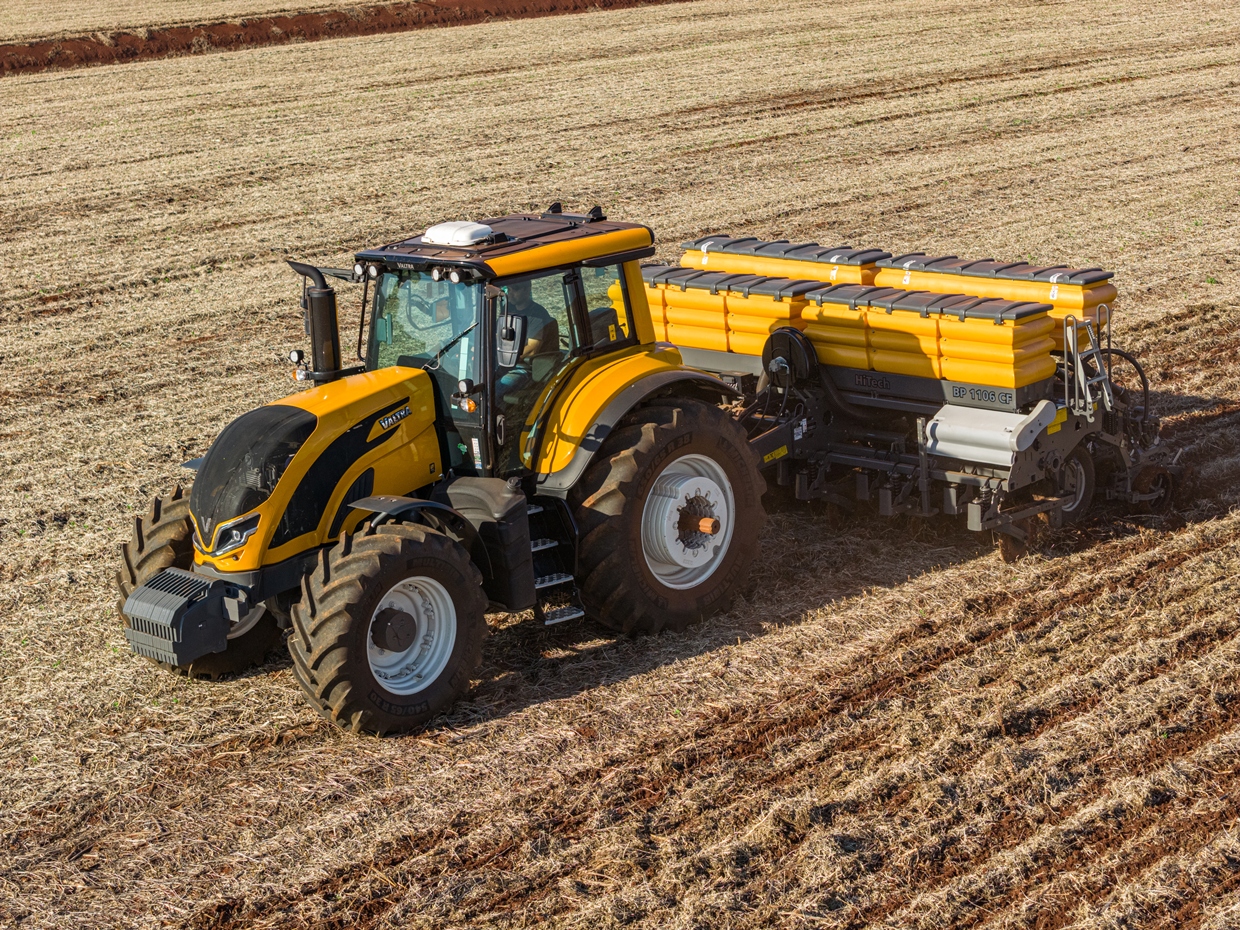
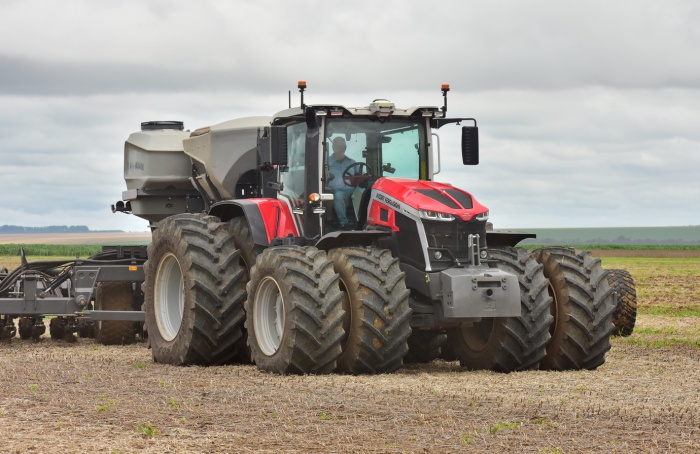
Valtra updates its offering in the heavy tractor segment with the M5 Series, composed of the M165, M185, and M205 models, aimed at grain and rice operations and, depending on the configuration, also at sugarcane and transshipment routines. The line succeeds the technical proposal of the BH HiTech family and maintains the logic of a "heavy multi-purpose" tractor, retaining characteristics such as power for traction and transport, architecture to support heavier implements, and a transmission and hydraulic package designed for long work cycles.
The M165 and M185 use a 4-cylinder, 4,9-liter AGCO Power engine, while the M205 uses a 6-cylinder, 6,6-liter AGCO Power engine, both with turbocharger and intercooler and common rail electronic injection system. The declared maximum power is 165 hp (M165), 185 hp (M185), and 205 hp (M205) at 2.200 rpm. The maximum torque is 650 Nm (M165), 700 Nm (M185), and 720 Nm (M205) at 1.500 rpm, a typical operating range where the tractor starts working "at full capacity" in preparation, sowing, hauling, and transport with a load. For the sizing of the assembly, the torque data at low rpm is crucial in the choice of implements and the driving method in variable soil conditions.
The M5 Series adopts a synchronized PowerShift HiTech3 Plus transmission with 18 forward and 18 reverse gears. The logic of the system is to allow gear changes while the tractor is in motion, with automatic shifting within the PowerShift group, reducing interruptions in power flow during load variations. The reverse is of the Power Shuttle type, with electro-hydraulic actuation, important in repetitive maneuvers and loading and transshipment operations.
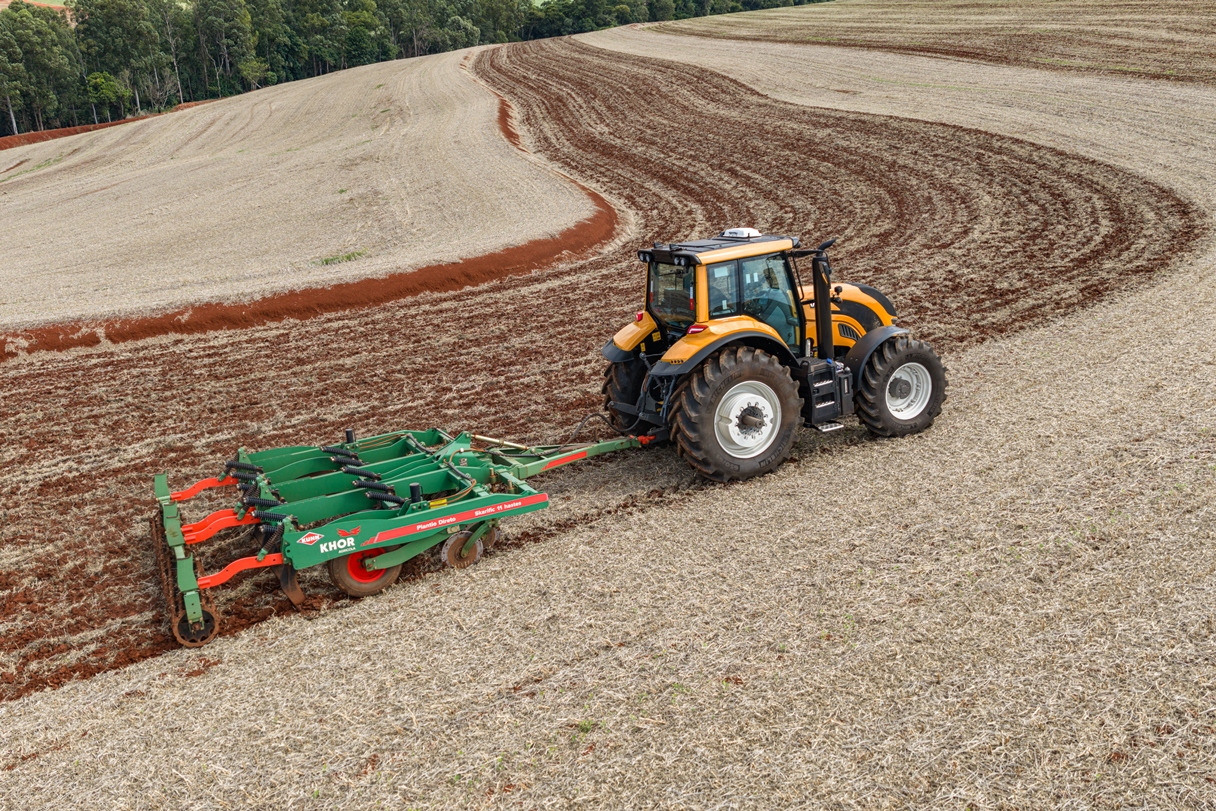
The package includes programming modes that automate gear changes based on engine load (Auto 1) or RPM (Auto 2), as well as a mode that automatically disconnects the transmission (puts it in neutral) when you press the brake pedal, and as soon as you release the brake pedal, the transmission is smoothly reactivated and the tractor resumes movement, without the need to operate the clutch pedal or the reverser lever (Auto N). In practice, these features directly influence productivity in operations where constant speed and stability of the system are more important than power "peaks".
The power take-off (PTO) is independent, with electro-hydraulic actuation, and offers 540 rpm and 1.000 rpm. The engine speed range for achieving PTO speeds is a point considered by field teams when matching implements with high power requirements at the tiller and the need to operate at economical speeds. The ability to maintain a stable PTO speed, combined with a transmission that allows for load shifting, tends to reduce performance variations in mechanically driven equipment, such as spreaders, brush cutters, and tillage implements that demand consistent engine speeds.
In the hydraulic system, the M5 Series works with three architectures, depending on the configuration: gear pump (C1) or variable displacement pump (C2). The maximum system pressure is 210 bar. In the C1 configuration, the indicated flow rate is 91 l/min; in C2, the flow rate can reach 150 l/min or 205 l/min, a range that meets the needs of implements with high flow demands — such as pneumatic planters and equipment with multiple actuators and more intensive hydraulic control.
The line can accommodate two or three remote control valves (RCVs), and, in the version with a variable flow pump, the number of valves can be three or four. The maximum flow rate per RCV is indicated at 110 l/min, a relevant parameter to avoid "bottlenecks" in implements that require a quick response from hydraulic cylinders and motors; in the Power Beyond valve, the flow rate reaches up to 204 l/min.
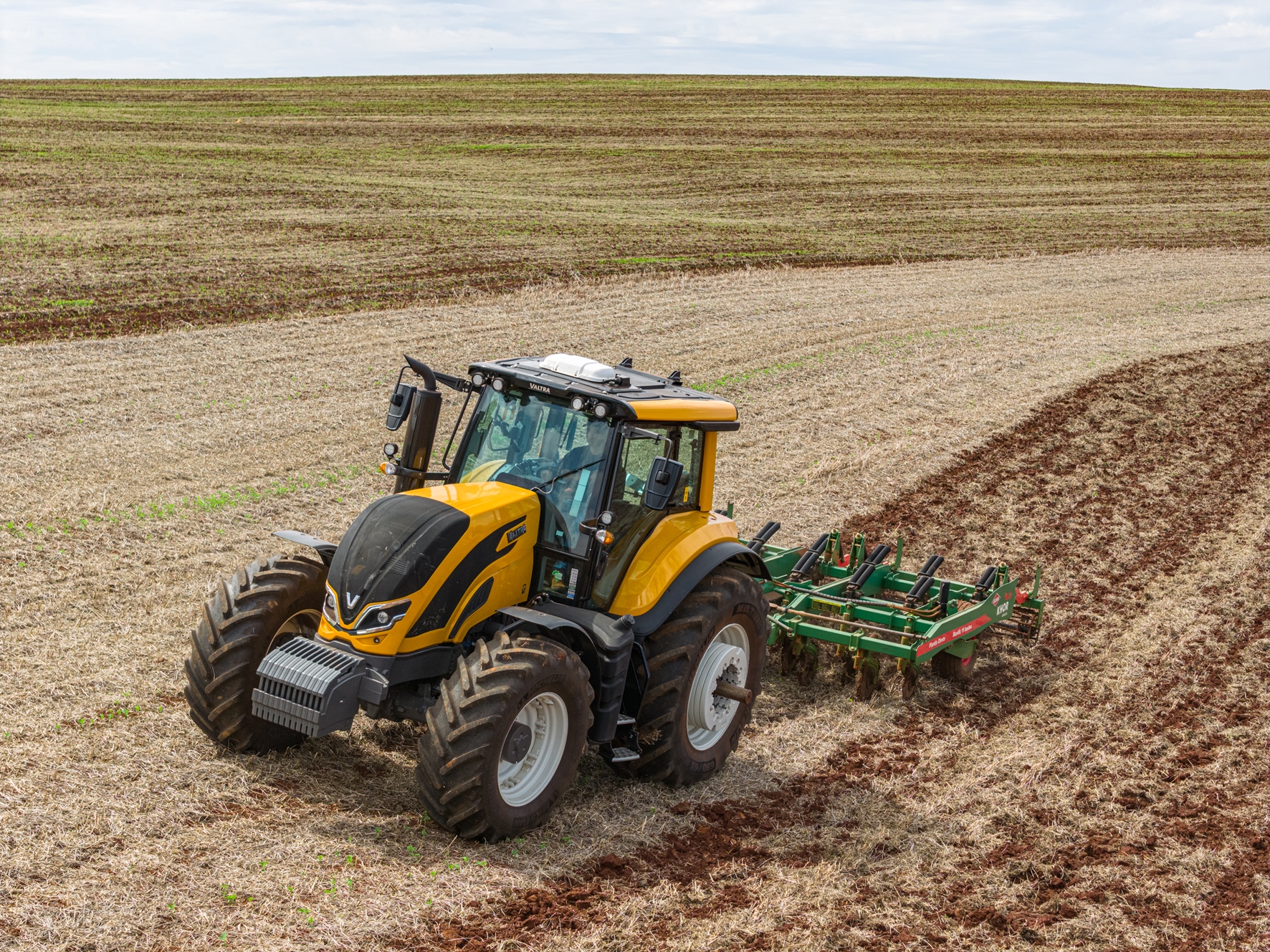
The rear lift is classified as category CAT 2, with a lifting capacity of 8.500 kgf at the eyelet and 6.000 kgf at the eyelet axle. For resellers, this set of numbers is what effectively determines safe compatibility with heavier implements, the tractor's behavior when transporting the implement over headlands, and the need for ballast and mass distribution.
The tractors have a wheelbase of 2.716 mm and a total length of 5.962 mm, with a ground clearance of 474 mm. The indicated total height is 3.521 mm. The maximum permissible weight is 11.275 kg for the M205 model, a value that must be considered in conjunction with the selection of tires, ballast, and traction requirements on lighter soils. The fuel tank capacity is 365 liters, with a maximum hydraulic tank capacity of 170 liters, a combination that favors autonomy on long journeys, provided that the operation is correctly sized in terms of fuel consumption and work regime.
In terms of track width, there is a wide range of adjustments: front with a standard axle from 2.226 mm to 1.600 mm; front with a 3 m axle (configuration geared towards sugarcane use) from 3.025 mm to 2.400 mm; and standard rear from 3.041 mm to 1.974 mm. These ranges are important for lateral stability, suitability for crop rows, and compatibility with transshipment equipment and trafficability in sugarcane and irrigated rice areas, where track width control and the behavior of the vehicle in furrows and tracks have a direct impact on losses, slippage, and efficiency.
The braking system has been completely redesigned compared to its predecessor; it is a multi-disc oil-immersed system with a new hydraulic actuation that has increased braking efficiency by 28%, and a manual lever parking brake. The steering system is hydrostatic, with a dedicated pump. In transshipment and transport operations, especially with articulated trailers and implements, the braking and steering system is one of the key elements that define operational safety and speed consistency in repetitive cycles.
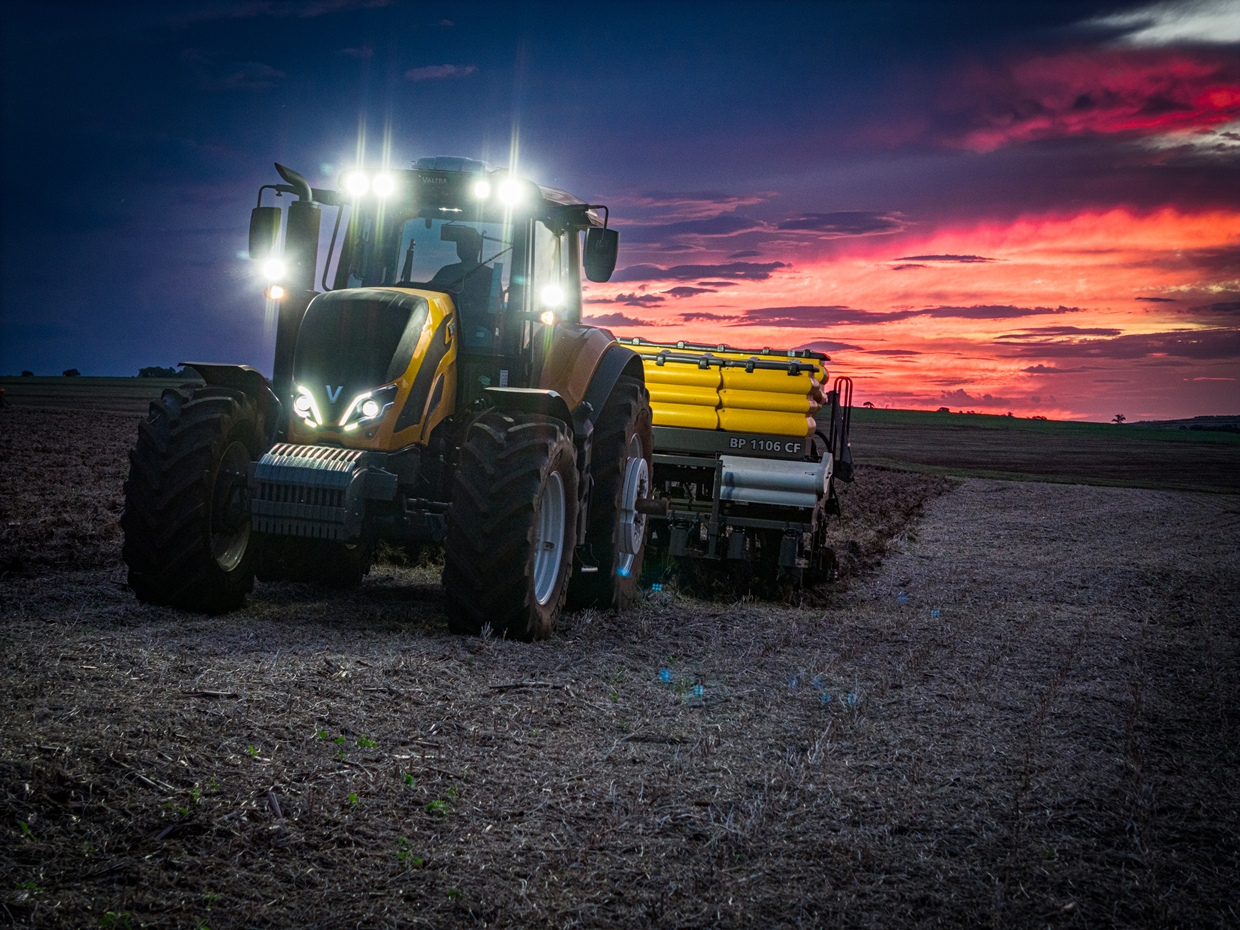
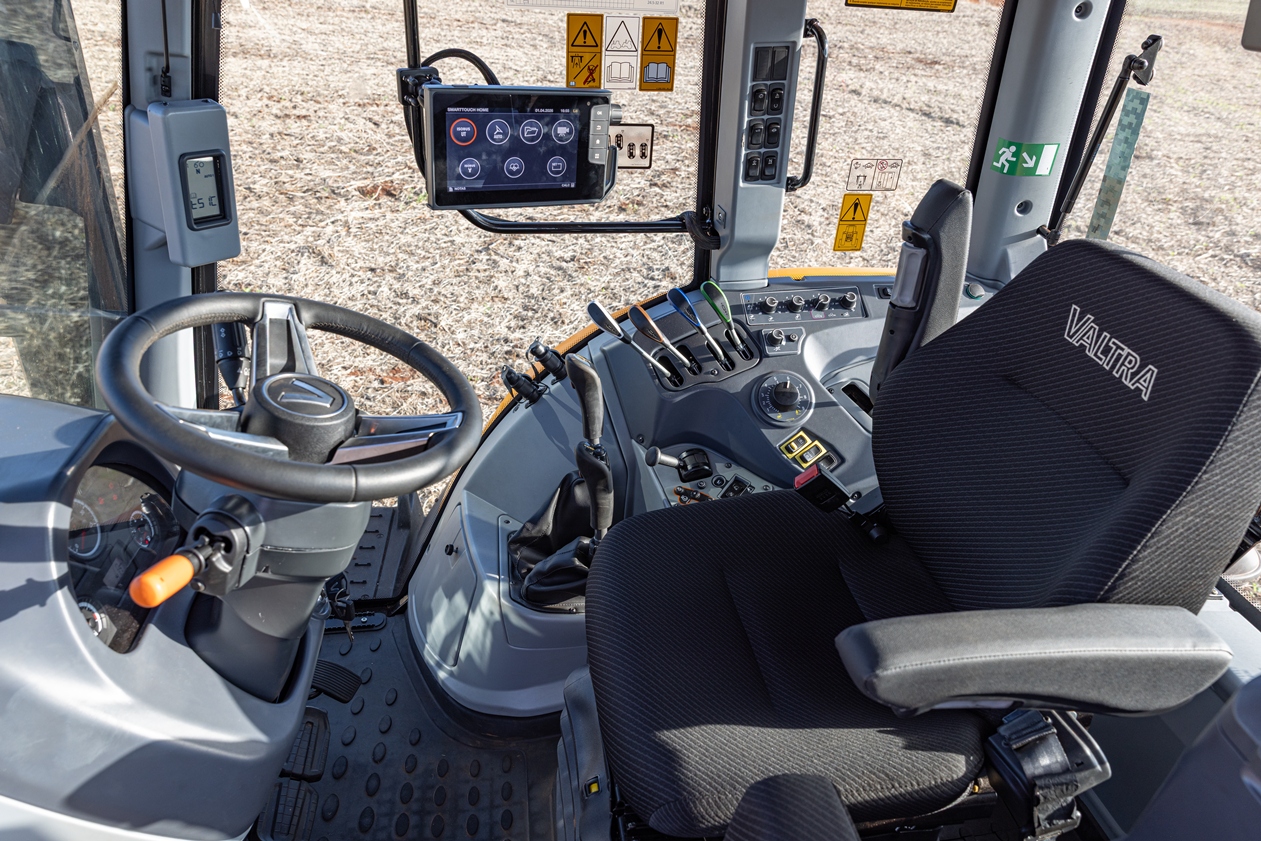
The operator's station is based on a HiComfort Plus cab. The interior upgrade includes new upholstery and seats, focusing on ergonomic controls and repeatability of operation throughout the day. A functional element incorporated into the cab environment is the integrated cooler box, a simple but relevant item for those who operate for long hours during critical planting and harvesting windows, especially in high-temperature regions.
The M5 Series retains the possibility of configuration geared towards the sugarcane and energy sector, with a specific kit that includes a 3-meter front axle, pneumatic brake, and ball-pin drawbar. In practice, these items meet typical transshipment requirements: stability of the assembly on access roads, quick coupling and uncoupling, and safety when moving with a load. For dealerships serving sugarcane regions, this version changes the product delivery profile and brings the tractor closer to routines of high operational severity.
The M5 Series incorporates precision agriculture and management features. The package includes autopilot and Valtra Guide guidance, in configurations that can operate with decimetric or centimetric precision, as well as telemetry via Valtra Connect. For tech-savvy operators, these systems cease to be "add-ons" and become integrated into their way of working: standardization of passes, reduction of overlaps, traceability, and data-driven maintenance support. For the dealership, the discussion is no longer just about power, but involves implement compatibility, operator training, and integration of the tractor into the farm's operational planning.
In summary, the new M5 series can be summarized by four objective criteria: power and torque available for traction and hauling; PowerShift transmission with 18x18 and electro-hydraulic reverse for cycles with high maneuverability requirements; scalable hydraulics up to 205 l/min for high-flow implements; and structural and track options that allow the tractor to be adapted for grains, rice and, when configured, sugarcane and transshipment. Working together, this package — engine, transmission, hydraulics, structure, cab and technology — will define real-world performance in the field.
Receive the latest agriculture news by email



Receive the latest agriculture news by email
By Marcelo C. Ferreira, Head of the Plant Health Department at Unesp, Jaboticabal Campus
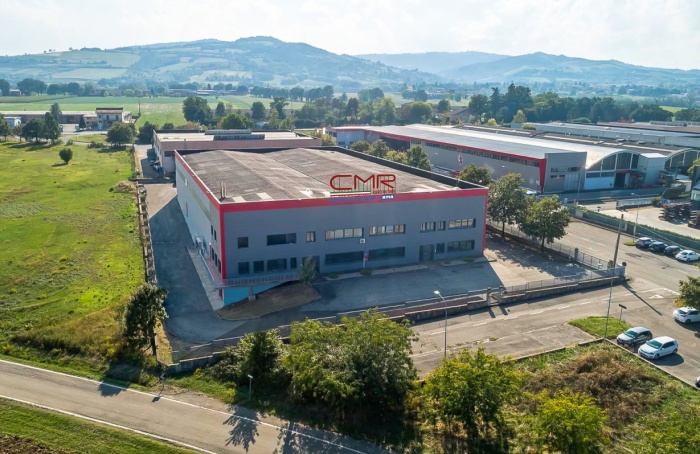
The company positions itself as a key player in the Brazilian market, with expertise in engineering, a broad product portfolio, and a well-structured international presence.