Organic compounds are gaining ground as allies in enhancing the efficiency of mineral fertilizers.
By Fernando Carvalho Oliveira, Fernanda Latanze Mendes and Kátia Goldschmidt Beltrame
01.06.2026 | 17:31 (UTC -3)
O glyphosate It is, without a doubt, one of the most important herbicides in the history of agriculture. Since its introduction in the 1970s and, above all, after the adoption of resistant transgenic crops from 1996 onwards, it has profoundly transformed weed management worldwide.
Its popularity is no accident: it is a highly efficient, broad-spectrum product that is relatively inexpensive and easy to use. These characteristics have made it the primary control tool in many agricultural systems.
However, that same year, 1996, also marked the first report of a glyphosate-resistant weed - a type of ryegrass (lolium rigidumIn Australia, for example, this already signaled the challenges associated with the intensive use of this herbicide. Repeated use over decades created strong selection pressure, favoring the survival of naturally more tolerant individuals. Over time, this led to the evolution of resistance.
Currently, there are almost 400 documented cases of glyphosate resistance worldwide, involving 62 weed species, with records in various agricultural systems and regions. In Brazil, there are already more than 20 confirmed cases, distributed among different species. More than the quantity, what is striking is the increasing complexity and dispersion of this problem.
This analysis is based on the scientific review published in the journal Pest Management Science, entitled “Thirty years of glyphosate-resistant crops and weeds: Current situation and future prospects”, developed with the participation of undergraduate and graduate students from UFV, as well as leading researchers in the field, such as Fernando Adegas (Embrapa), Caio Carbonari (Unesp), Edivaldo Velini (Unesp and president of SBCPD), Rafael De Prado (University of Córdoba) and Stephen Duke (University of Mississippi), bringing together different experiences and perspectives on the subject.
Glyphosate resistance does not occur in a single way. Unlike other herbicides, weeds have developed a wide variety of mechanisms to survive the herbicide. These mechanisms include alterations in the site of action, reduced absorption, decreased translocation within the plant, sequestration of the herbicide in cellular compartments, and even its degradation. In many cases, more than one of these mechanisms occurs simultaneously in the same plant.
This accumulation of mechanisms, known as "cumulative resistance" or "creeping resistance," is especially concerning. Individually, each mechanism has a limited effect, but when combined, they act synergistically—that is, they potentiate each other—often with an exponential effect, making control much more difficult and, in many cases, inefficient.
The adoption of glyphosate-resistant transgenic crops was a milestone in modern agriculture. Commercially launched in 1996, these crops expanded rapidly, growing from 1,7 million hectares to approximately 180 million in less than two decades, and currently exceed 200 million hectares worldwide.
Today, 28 countries cultivate genetically modified crops, with more than 80% of the global area concentrated in the United States, Brazil, and Argentina. Soybeans, corn, and cotton account for more than 90% of this area.
Among the major producing countries, Brazil was one of the last to adopt transgenic crops, officially starting in 2003 with soybeans. However, its acceptance was rapid and significant.
Genetically modified soybeans quickly gained widespread adoption, followed by corn and cotton, which now dominate production systems and have been fundamental to the country's agricultural expansion. The area cultivated with these crops has practically doubled in the last two decades, going from about 37 million to more than 70 million hectares.
During that same period, production grew two to three times, accompanied by significant productivity gains – around 74% for cotton, 61% for corn, and 66% for soybeans.
More than just a control tool, glyphosate was one of the main drivers of modern agriculture. Its adoption fueled innovation and economic growth, enabling more efficient systems and consolidating no-till farming. It sustained entire production chains – involving seeds, inputs, machinery, logistics, and research.
This advancement helped to reshape the Brazilian agricultural map, boosting the expansion and emergence of communities and even entire cities in the country's interior, many of them directly dependent on this productive dynamic. The impact goes beyond the countryside: it resulted in a better quality of life, income generation, and a greater supply of food at more affordable prices, which would be significantly higher without glyphosate and genetically modified crops.
Considering the importance of Brazilian agribusiness, which represents about 6,5% of GDP in primary activities and about 23% when considering the entire chain, it is inevitable to question how much of this contribution is directly or indirectly associated with production systems dependent on glyphosate.
On the other hand, this model also contributed to the simplification of management systems. The dependence on a single herbicide led to the repeated use of glyphosate crop after crop, often as the main or only control tool, favoring the selection and dissemination of resistant biotypes.
Brazil is among the countries with the greatest selection pressure, due to the widespread adoption of glyphosate-resistant crops.
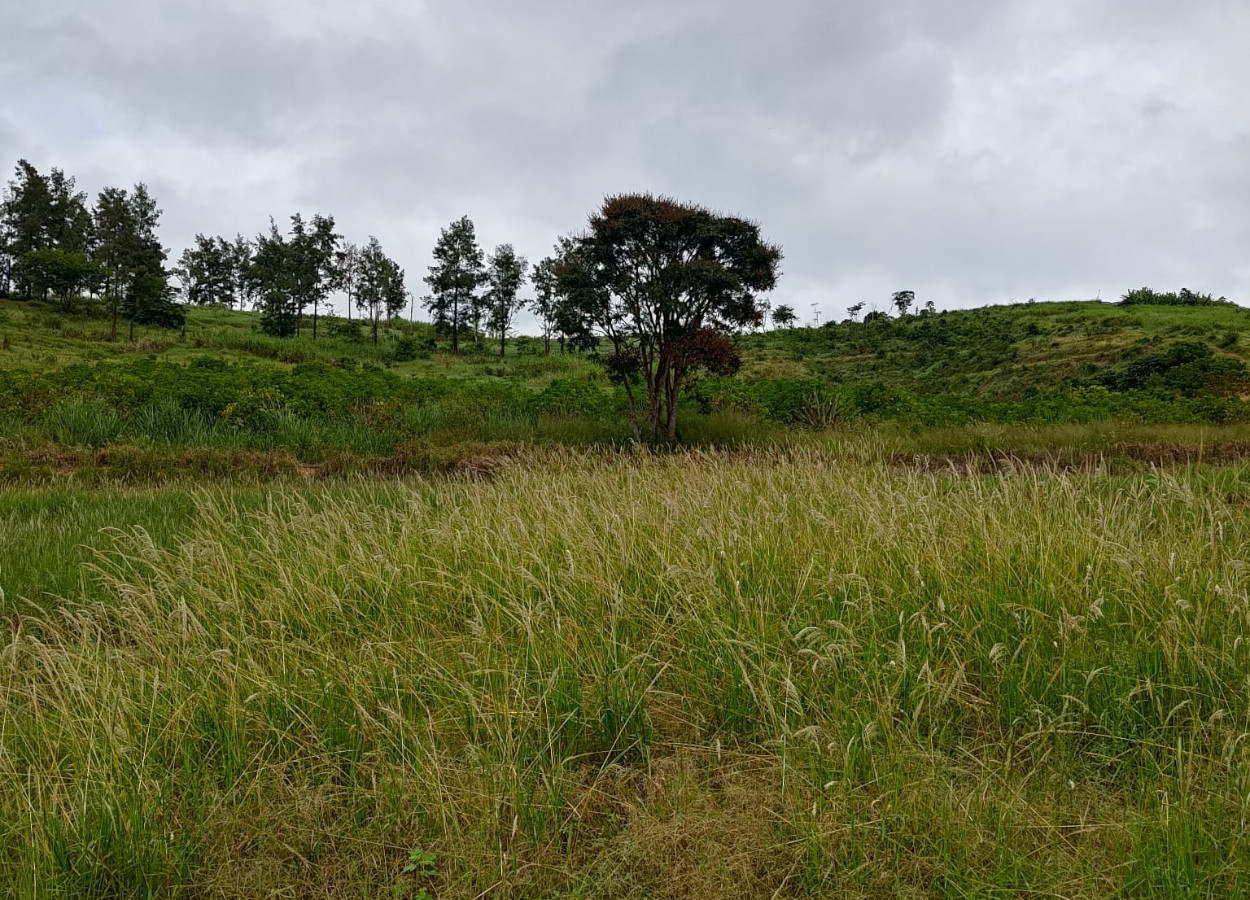
Species such as horseweed (Conyza spp.), bittergrass (Digitaria insularis) and crow's foot grass (Eleusine indicaThese plants have become emblematic. Many of them, in addition to glyphosate resistance, exhibit resistance to herbicides with other mechanisms of action, which makes management even more complex.
Dispersal occurs rapidly through seeds, agricultural machinery, and grain handling. Recent estimates indicate that more than 26 million hectares, approximately 55% of the grain-producing area in Brazil, are infested with glyphosate-resistant weeds.
Bittergrass is one of the main highlights, with approximately 18,7 million hectares infested, followed by fleabane (17,5 million) and ryegrass (4,8 million). Species of amaranth (Amaranthus (spp.) and goosegrass have also been expanding rapidly, reaching approximately 4,2 million and 8,6 million hectares, respectively, in less than a decade after the detection of glyphosate resistance. It is important to note that the sum of the infested areas by species does not correspond to the estimated total of 26 million hectares, since different species often occur simultaneously in the same area.
The economic impact of resistance is significant. By 2025, the additional costs of managing glyphosate resistance in Brazil will exceed R$ 7,5 billion per year, related to the cost of alternative herbicides. This estimate does not include productivity losses or indirect costs, such as increased applications, mechanical or manual control, and the adoption of other transgenic technologies, as well as higher fuel and labor consumption. Species such as horseweed, goosegrass, and crabgrass account for a large part of this impact.
After more than 50 years of glyphosate use – and 30 years since the introduction of transgenic crops and the first cases of resistance – the main lesson is clear: there is no single solution in managing these plants.
Glyphosate remains an essential tool and the most widely used herbicide in the world. Furthermore, its use, especially in systems with transgenic crops, has brought important environmental benefits, such as reduced soil disturbance, lower fuel consumption, and a smaller environmental impact compared to alternatives.
However, its isolated use is not sustainable in the long term. Resistance will continue to evolve whenever there is high selection pressure and low management diversity.
The future of weed control lies in diversification: rotation of mechanisms of action, integration of cultural practices, mechanical control, and preventive strategies.
More than replacing glyphosate, the challenge is to use it more strategically, within integrated systems.
The story of glyphosate is both a success story and a warning.
Few products have had such a broad impact on agriculture, science, and the economy. Their contribution goes far beyond weed control.
But the question remains: will we see another molecule as revolutionary as glyphosate – or have we already learned that no solution, however good, remains effective on its own for very long?
By Ricardo Alcántara-de la Cruz, UFV
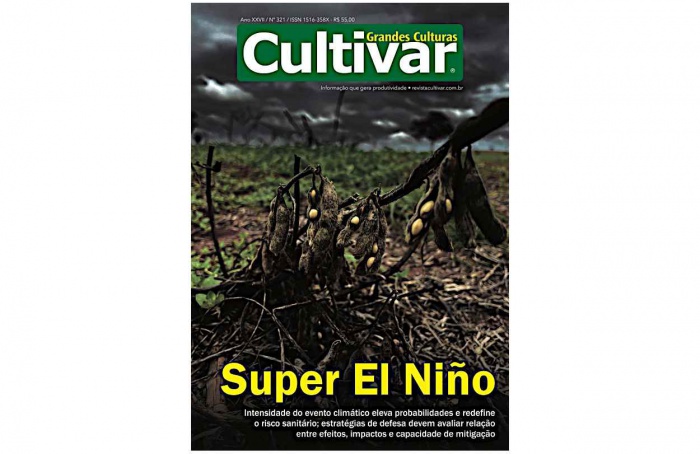
Article published in issue 321 of Cultivar Grandes Culturas Magazine
Receive the latest agriculture news by email



Receive the latest agriculture news by email
By Fernando Carvalho Oliveira, Fernanda Latanze Mendes and Kátia Goldschmidt Beltrame
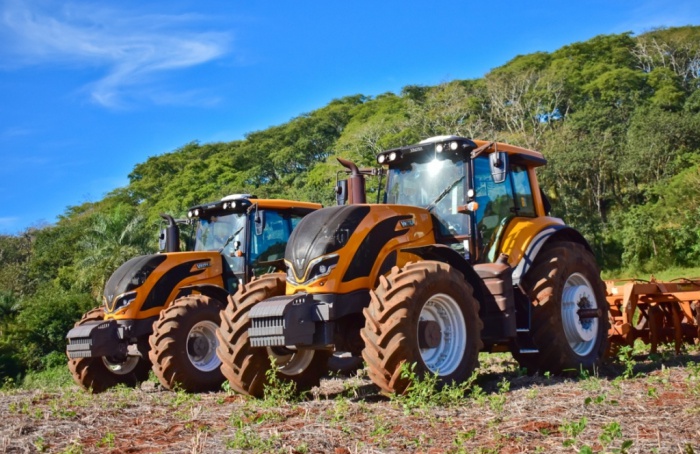
With the mission of replacing the acclaimed BH series, the new Valtra M5 tractors bring concepts such as versatility and simplicity from the old series, but add a great deal of technology and features to further expand the range of customers and markets.