Arbuscular mycorrhiza: the invisible partnership that sustains crops
By Alieze Nascimento da Silva, Monalisa Eli Fernandes Guerreiro, João Guilhermi Freire Paz and others
19.10.2026 | 02:50 (UTC -3)
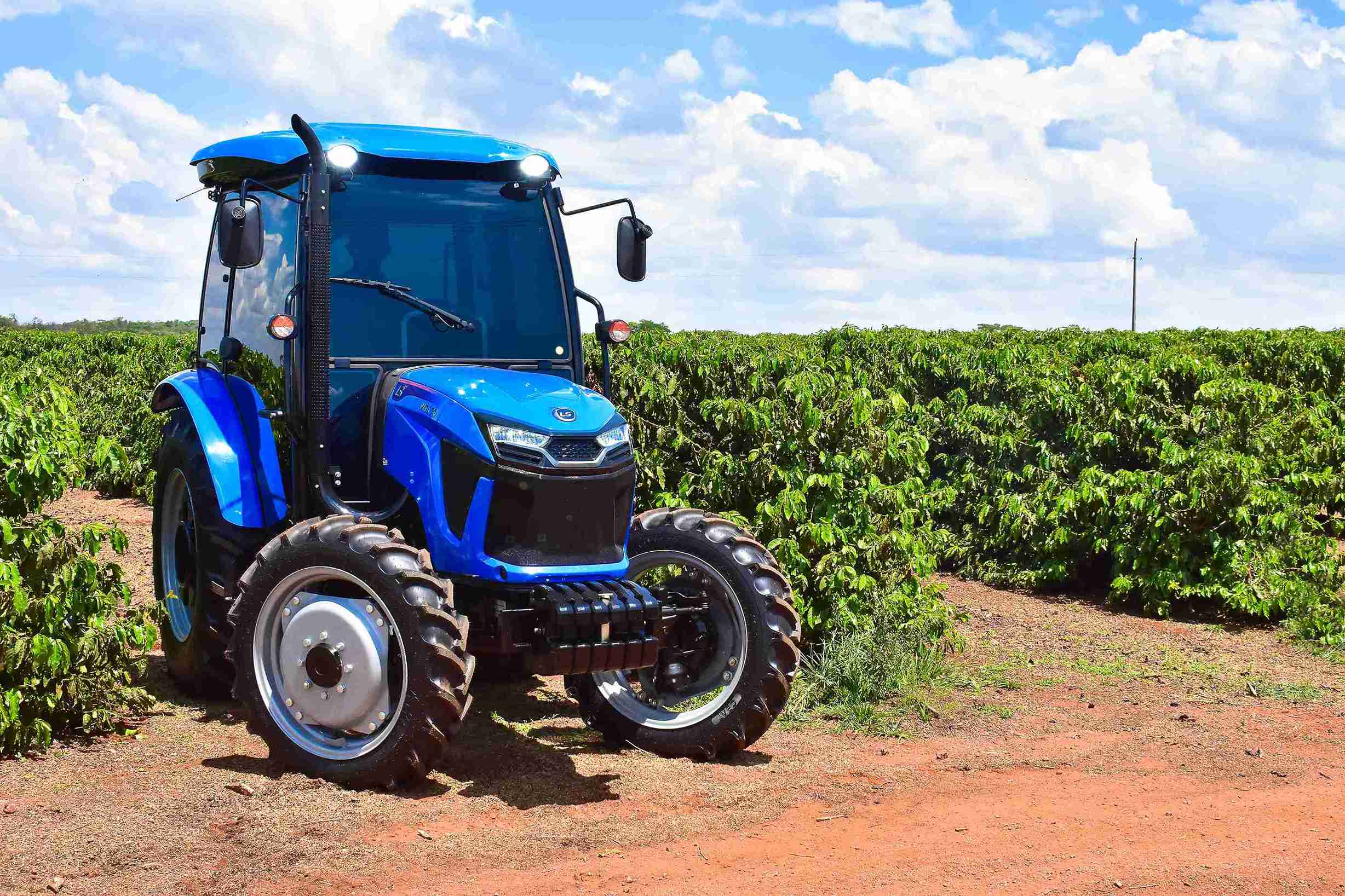
After LS Tractor arrived in the country, we began a series of tests with their tractors in 2013, noting that innovation is one of the company's hallmarks. Since the brand established itself in Brazil, there have been several points to mention in the different models we took to the field, in this agreement between Cultivar Magazine and the Agrotechnology Laboratory of the Federal University of Santa Maria. These tractors, designed in Asia with South Korean technology, brought some very interesting innovations to the country. Just to mention a few, we started with the third speed of 750 rpm on the power take-off, the direction reverser and the 16 travel speeds, in addition to the Power Shuttle transmission in small models and the shielded front axle with bevel gears – these were the first innovations. Later, LS began to increase the technology items in small tractors, adding high-standard cabins, telemetry and the engine protection system, in partnership with Colven. Over time, we accumulated many positive experiences with tractors of this brand, and although there was never any doubt, it ended up establishing itself among the major manufacturers and assemblers of agricultural tractors in the country.
Over the years, we have seen LS's pursuit of space in specialty crops, such as horticulture, fruit growing, coffee growing, poultry farming, and intensive livestock farming, to name a few. Projects have been tailored to meet the specific requirements of these activities, and the company's marketing has supported its entry into these areas.
Now, almost 14 years later, the opportunity has arrived to test a new series, the MT4, which comes in two versions: the MT4 70 Rops and the MT4 70 Cabinado. To learn about this new model, we traveled to the Triângulo Mineiro region, more specifically to the Indianópolis area. We went to Fazenda Furnas, a loyal LS customer, to test this model, a general-purpose, multi-tasking tractor designed for small and medium-sized farms.
Again, this model features several advantages, such as different transmission options, a high-quality, customized and comfortable cab, and an LS brand engine, quite powerful for the tractor's size. In terms of power generation and utilization, the brand hopes to achieve fuel economy and maintain energy supply for different activities, in this case coffee production.
This series, which begins with the 70 hp model, aims to specialize in special agricultural activities, but also to serve the customer who has already formed an opinion, trusts and wishes to continue purchasing the brand's models and who needs a medium-sized tractor.
The engine is an LS brand, model L4ALTA500 – MAR-1, four-cylinder, 2.621 cm³ displacement, with 16 valves, four per cylinder, equipped with a turbocharger with intercooler, direct fuel injection, and delivering 70 hp (SAE) of maximum power at a nominal speed of 2.500 rpm. The stated torque is 229 Nm @ 1.600 rpm. With this specification, using an injection pump, it meets the emissions requirements of the Proconve MAR-1 standard. The power density is 17,5 hp per cylinder and 37 cm³ of volume is required to produce each hp.
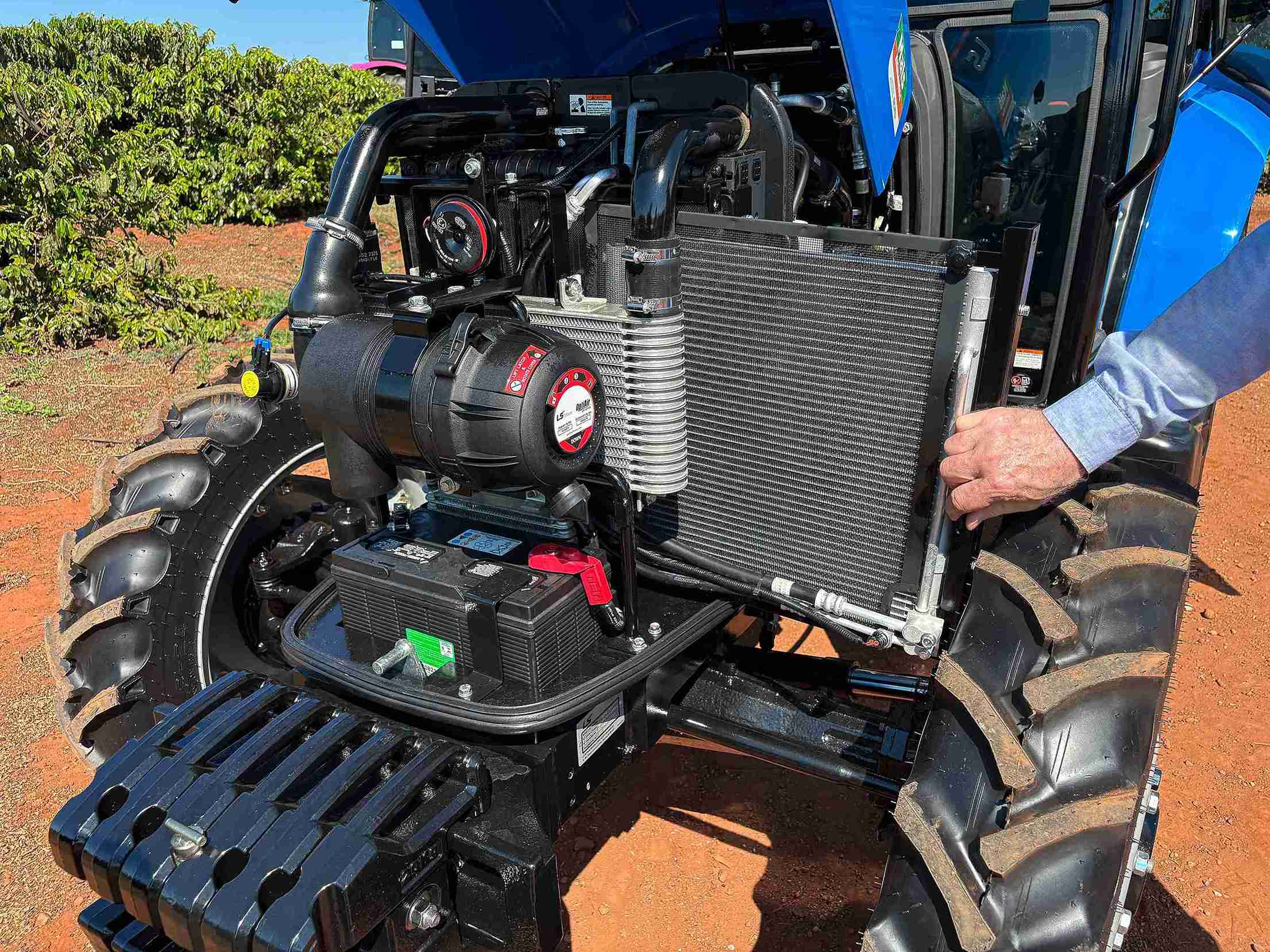
Intake air filtration is performed by two elements, primary and secondary, and to check for airflow restriction, an indicator was placed at the intake inlet. To reduce heating, a rearrangement was made in the radiators' layout, placing a fuel line heat exchanger at the bottom and the air conditioning condenser behind it. Between these exchangers and the main radiator of the cooling system, a cleaning screen was placed, easily removable during maintenance.
The fuel injection system is mechanical, with a rotary injection pump. To supply the pump, the design includes a double filtration system for diesel fuel, with all connections equipped with quick-connect fittings. The exhaust pipe, located in front of the right front pillar of the cab, is protected with a metal screen to prevent direct contact with people.
As is common in LS Tractor models, we verified that the tractor we tested was equipped with an electronic engine protection system, which safeguards it against overheating risks and lubrication failures. There are sensors, placed in the cooling and lubrication systems, that can both alert when there are problems due to abnormal heating or even a failure in the engine's internal lubrication, and also, if configured, interrupt operation by shutting off the engine.
One of the highlights of this tractor, which we were able to verify during the field test, is its power and torque transmission. The LS brand gearbox has 16 forward and 16 reverse gears, but with the super-reduction (creeper) system it reaches 32 forward gears. It's possible to move the tractor at speeds of approximately 200 m/h to 29 km/h with the standard transmission. The reverser is a synchronized Synchro Shuttle type. Although this reverser is also synchronized, it is recommended to reduce the travel speed when engaging it to avoid mechanical damage to the transmission system. According to the manufacturer, if there is demand in the Brazilian market, this model can also be equipped with a 16 x 16 transmission with a Power Shuttle reverser.
This type of transmission configuration is fundamental in certain field work, especially in specialized crops such as coffee, fruit growing, and particularly horticulture. It was also interesting to see that the speed arrangement means that, of the 32 forward gears, 28 are between 0,2 and 12 km/h, and five are within the 5 to 12 km/h range, which are the most commonly used when operating with implements. These 32 speeds are arranged in four groups, within which there are four speeds that use a synchronizing mechanism, therefore they can be engaged while the tractor is in motion. A sticker with the gear and speed chart is available to the operator on one of the cabin windows, separating the normal gears from those with super-reduction.
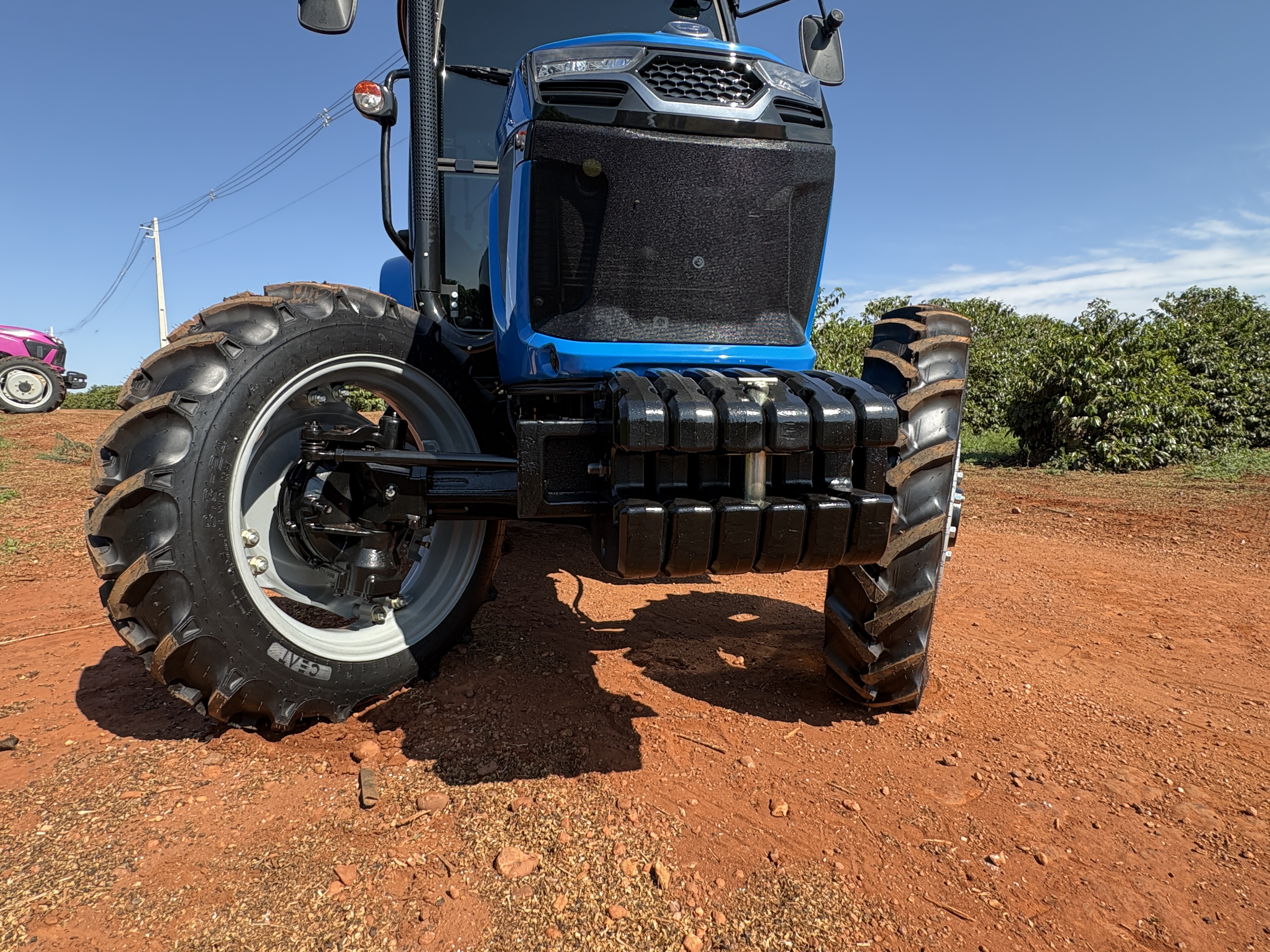
The transmission of movement to the front axle is done via a driveshaft, which connects to an inverted U-shaped structure with sealed gears, in an oil bath, and pivoted drive. This type of mechanical construction, traditional in small and medium-sized LS models, is suitable for this type of tractor, where it is necessary to increase ground clearance and improve the turning radius. Incidentally, during the test we performed exit and entry maneuvers between adjacent rows of coffee without the need for back-and-forth maneuvers or alternating rows. One of the highlights mentioned by the operators at Fazenda Furnas is that it is very easy to perform headland turns in a confined space, which implies greater operational efficiency.
The manufacturer also prepared the reinforced HD version for those cases where the tractor is equipped with front loaders, requiring greater robustness in the front of the tractor.
As is common in LS models, the tractors feature three PTO speeds: 540, 750, and 1.000 rpm. Although the output shaft is the same, with six splines and a 35 mm diameter, according to Asabe, DIN, and ISO standards, it is possible, with the engine speed at 2.400 rpm and the selector lever in its indicated position, to achieve these three speeds and adapt the operation to implements that primarily require 540 and 1.000 rpm. However, there is the possibility of more options to achieve more economical operating speeds and reduce the torque demand on the shaft, thus reducing fuel consumption by lowering the engine speed. Therefore, positioning the selector lever at 750 rpm, with an engine speed of 1.800 rpm, results in a PTO speed of 540 rpm. With the lever positioned at 1.000 rpm, a PTO speed of 540 rpm is achieved with an engine speed of 1.300 rpm. These two configurations are considered TDP 540E (economic) and TDP 540SE (super-economic), respectively.
The PTO shaft has a shield-type protection to prevent the operator or any assistant from stepping on it. The PTO is an independent type, with electro-hydraulic actuation on the panel, and has three positions: independent, off, and manual. The manufacturer states that of the 70 hp nominal engine power, around 64 hp reaches the PTO shaft.
Since this tractor has auxiliary front-wheel drive on the front axle, requiring pairs of front and rear tires for synchronized movement and kinematic relationship, the manufacturer specified several pairs of tires to be available.
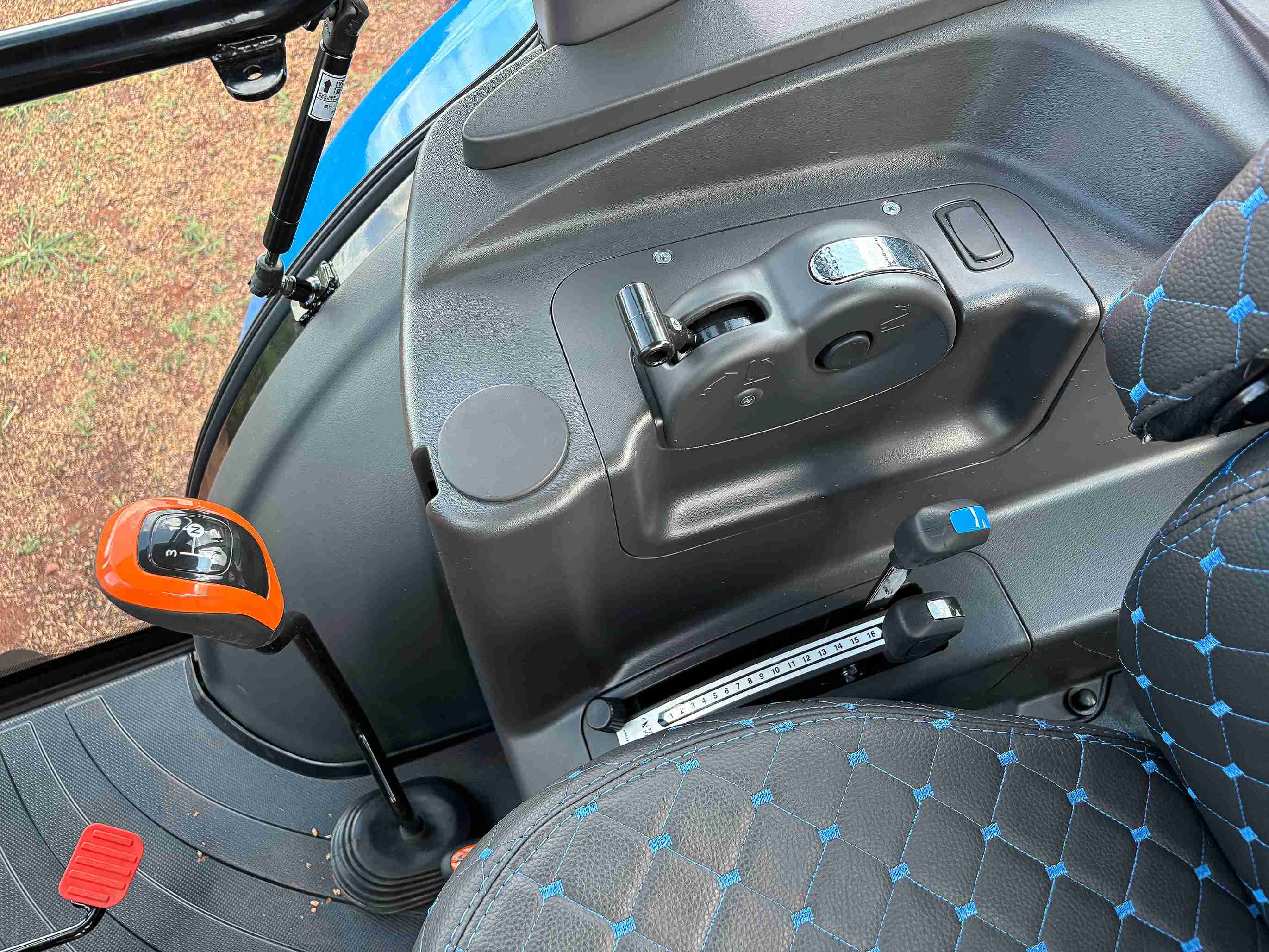
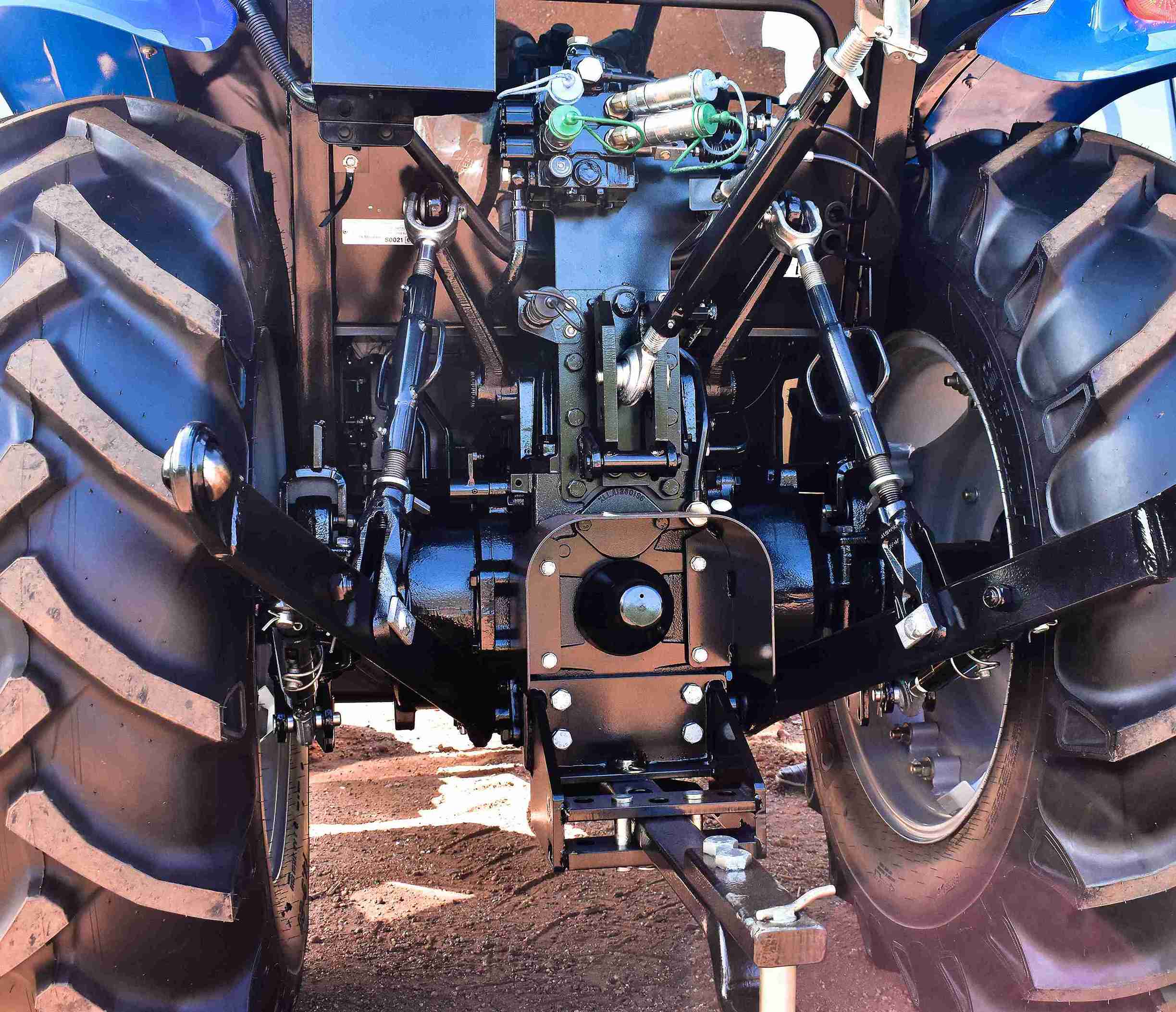
The three-point hydraulic system is a very important and heavily used component in a tractor of this class. We based a series of observations on it during our operational testing. We verified that the height adjustment was placed on the lower arms, unlike some other tractors that have this vertical adjustment spindle on only one arm. The mounting is category II and the lifting capacity reaches 1.655 kg at the eyelet. The system is traditional and uses float and depth control, and a very innovative position memory system (Auto-Lift). A small T-shaped lever, located on the right side console, allows raising and lowering the equipment during headland turns, and with the position memory system, a simple touch of a finger returns the attached equipment to the configured working position.
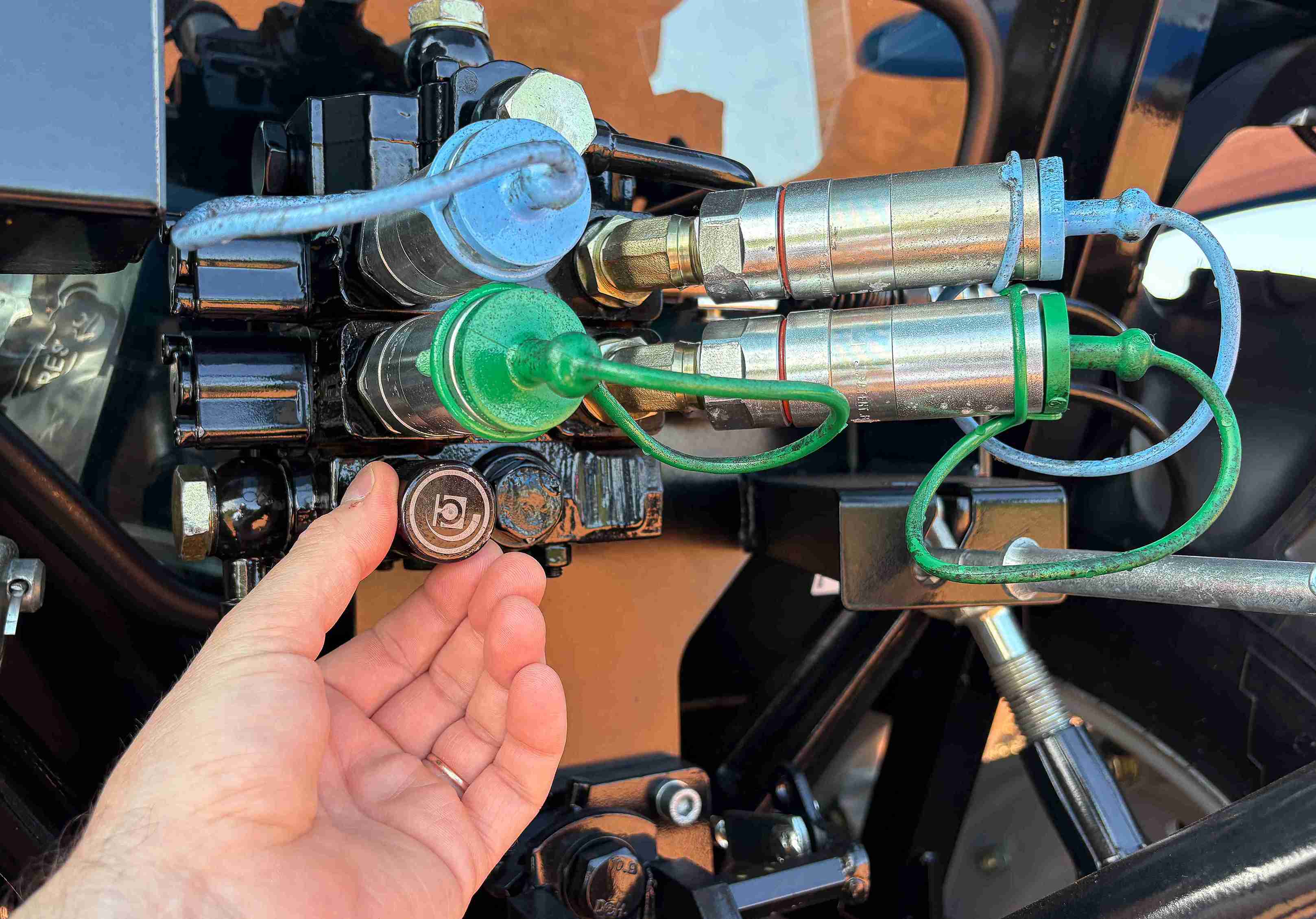
As standard, the MT4 70 has two pairs of remote control valves (RCVs), with flow adjustment from 0 to 35 L/min, for equipment requiring continuous and constant flow, one with automatic shut-off, one free return valve terminal and a total flow of 53 L/min. It should be noted that, by operating a small valve, the flow can be adjusted to meet the demand of the coupled equipment.
This LS model was released in two versions. The Rops version, with a platform-mounted seat, and the cab version, with the original LS brand cab. In both open and closed seats, the ergonomic layout of the controls is the same.
In the cab version, the operator's station has a customized interior in dark gray, almost black. The cab is pressurized, with an activated carbon filtration system for the application of agrochemicals, and features air conditioning for the internal environment and an external noise reduction system.
Visibility is excellent and unobstructed, with no obstacles to the full forward view. During the test, we analyzed the ergonomic position of the controls, the adjustment possibilities for the seat and steering wheel. The steering wheel's reach adjustment facilitates entry and leg positioning for the operator, and the seat offers both reach and height adjustment.
The cabin has entrances on both sides, with two wide doors, although we found a better solution with the entrance on the right side. We verified that the cabin has side windows that can be partially opened. At the rear, behind the operator's seat, a window opens, forming a rear emergency exit.
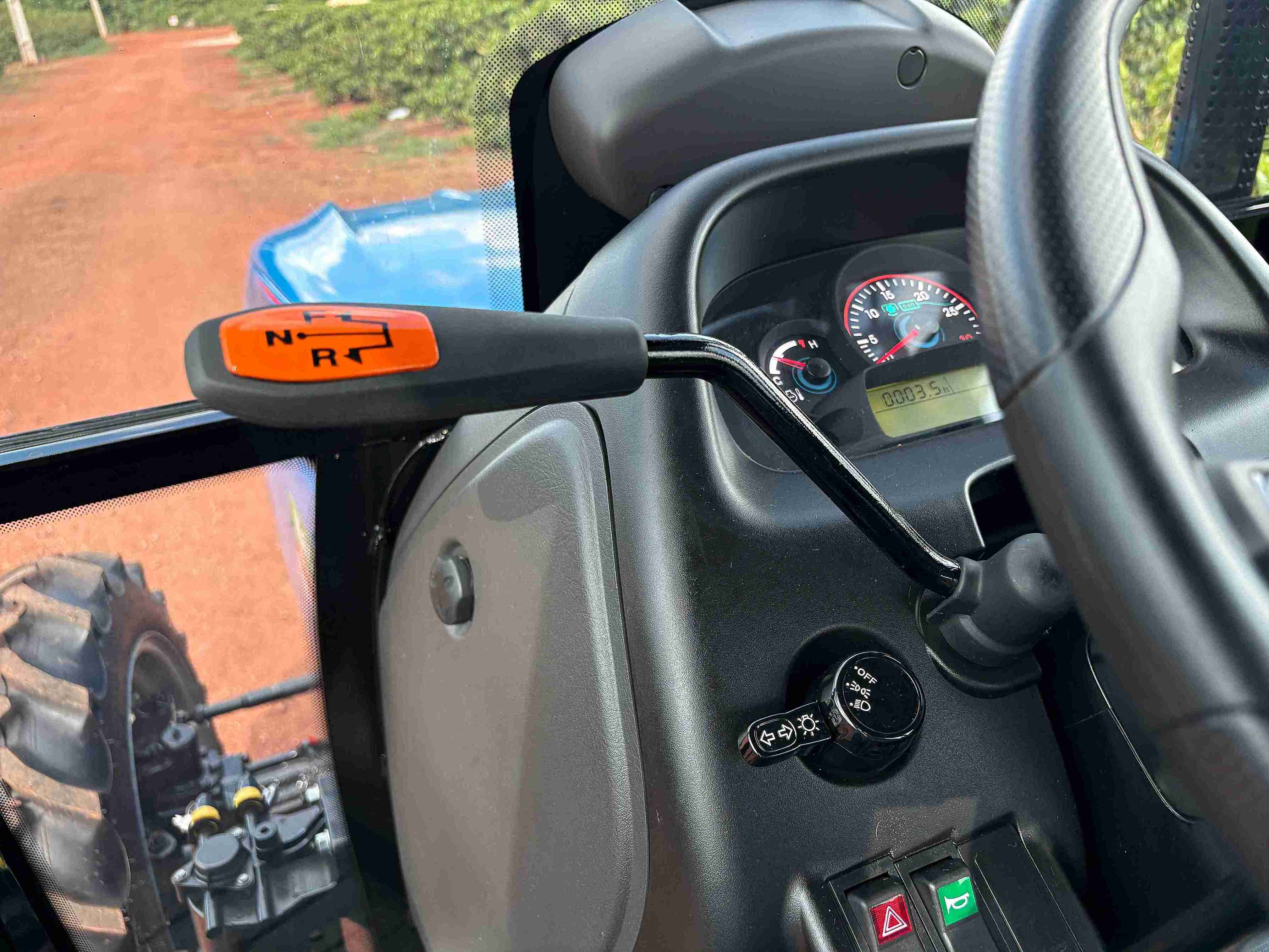
Ergonomically, we observed a layout of controls on both sides, unlike some models that concentrate controls only on the right side of the seat. The reverser is located on the left side of the steering column and, in a relatively opposite position, the accelerator lever is on the right side.
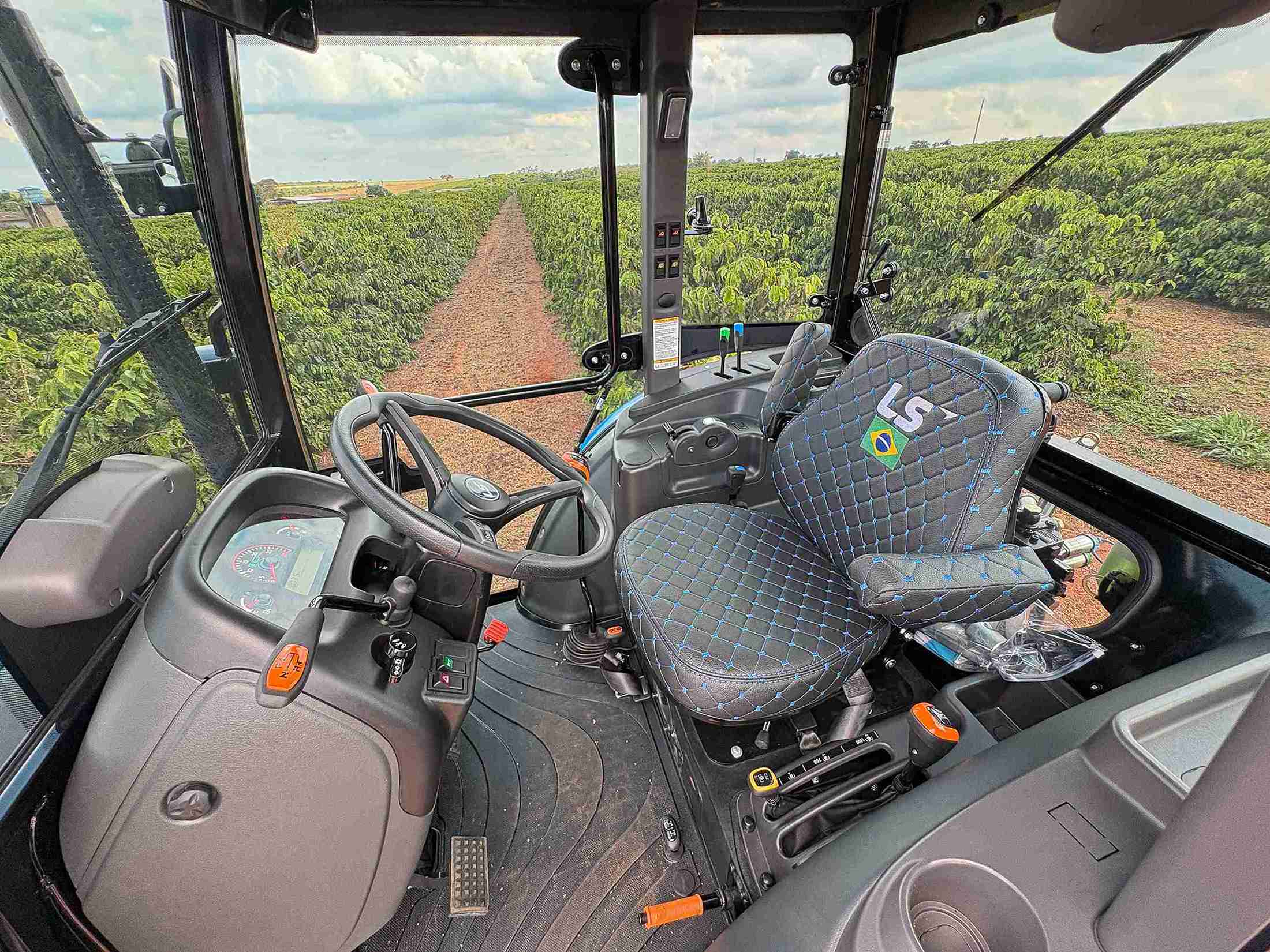
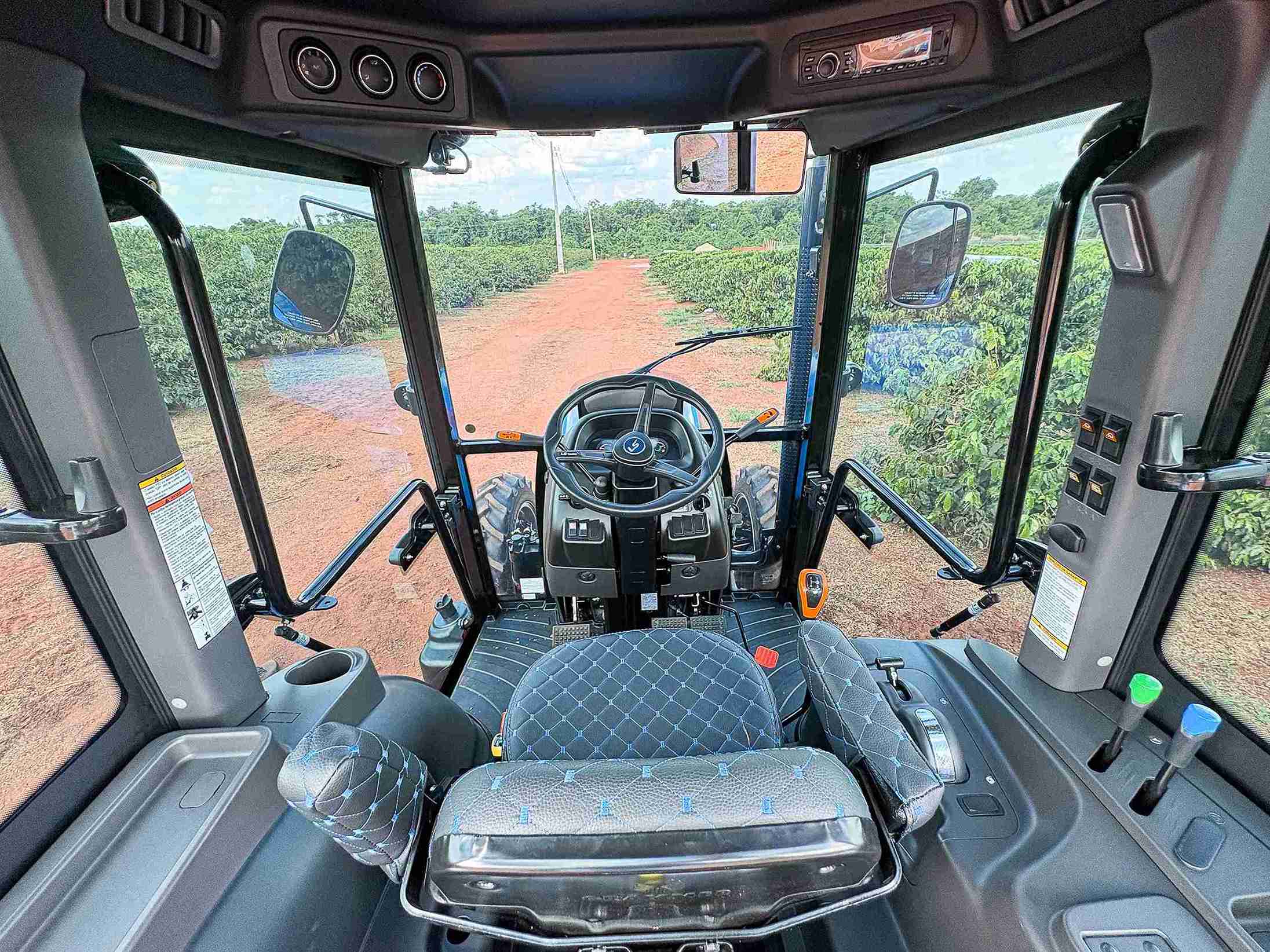
On the floor, on the right side, are located the gear shift lever, the creeper mode selection lever, and the foot-operated engine speed control. On the left side, the gear selector lever, the PTO activation lever, and, further down, near the floor, the auxiliary front-wheel drive activation control and the parking brake.
On the front panel, instruments such as a tachometer, coolant temperature gauge, and fuel level indicator are located, and at the bottom of the panel, the small monitoring system panel displays indicator lights for temperature, lubricating oil pressure, and battery status.
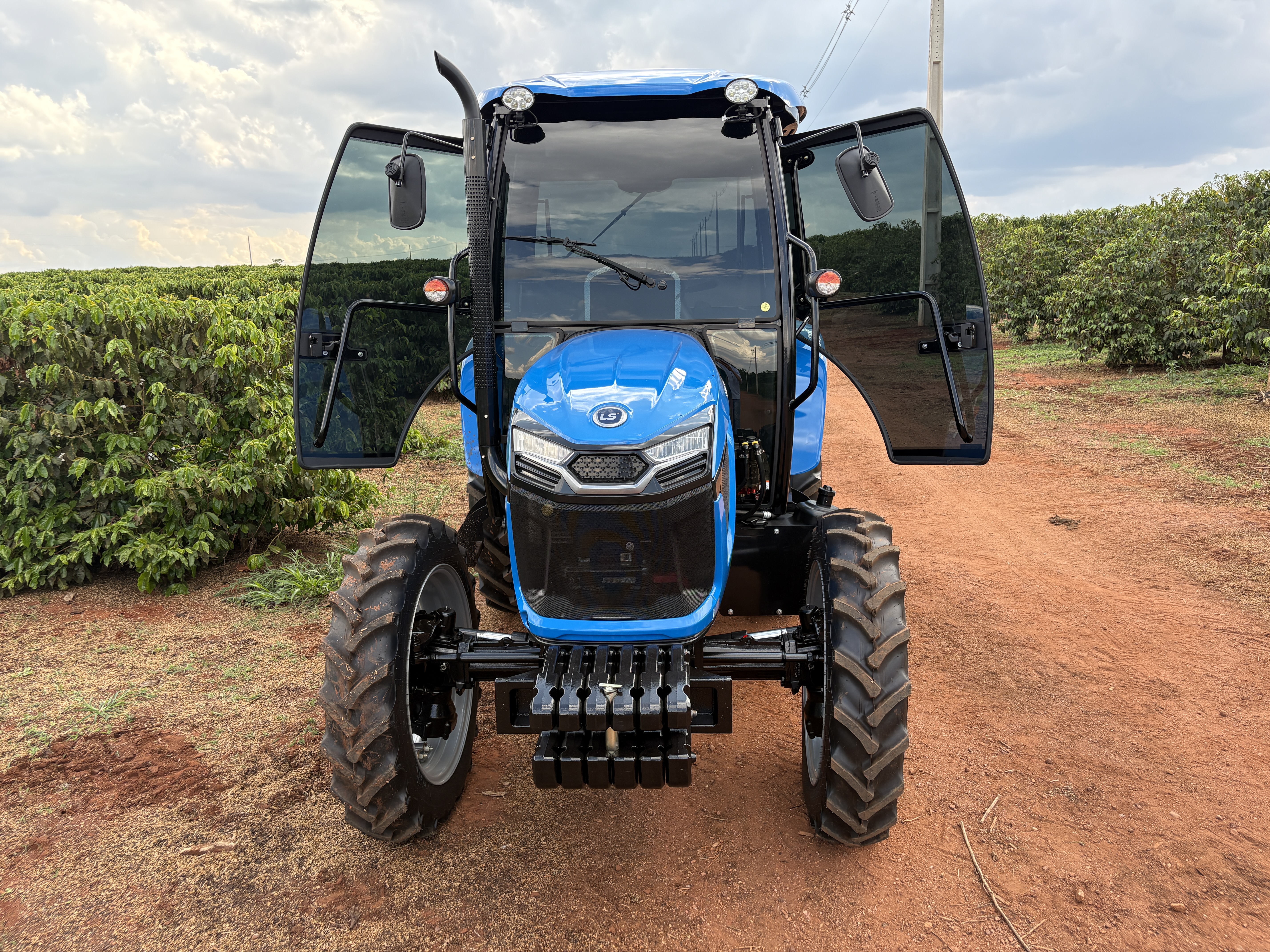
We found a very interesting new feature presented in this model: the clutch pedal lock. Engaging it unlocks the clutch disc, that is, it separates it from the clutch pressure plate and the flywheel. This mechanism helps prevent the disc from sticking to the clutch pressure plate or flywheel during tractor storage periods, which can cause clutch malfunctions.
We also observed that ABS plastic reinforcements were placed at certain critical points on the tractor's fairing to prevent breakage in the event of an impact with objects and tree parts. We also saw that several storage compartments were provided inside the cabin for items such as cell phones and other personal belongings of the operator. The cab version also includes front and rear windshield wipers.
The LS MT4 70 model is a medium-sized tractor with an 80 L fuel tank and an operating weight of 2.165 kg in the platform version and 2.370 kg in the cab-equipped version, resulting in a power-to-weight ratio of 34 kgf per hp. The total length is 3.778 mm and the wheelbase is 2.047 mm. The track width adjustment allows the front axle to maintain this dimension between 1.295 and 1.840 mm and the rear axle to adjust it between 1.215 and 1.740 mm, according to the crop requirements. The tractor's ground clearance is 420 mm and the maximum height is 2.614 mm without the cab and 2.454 mm with the cab.
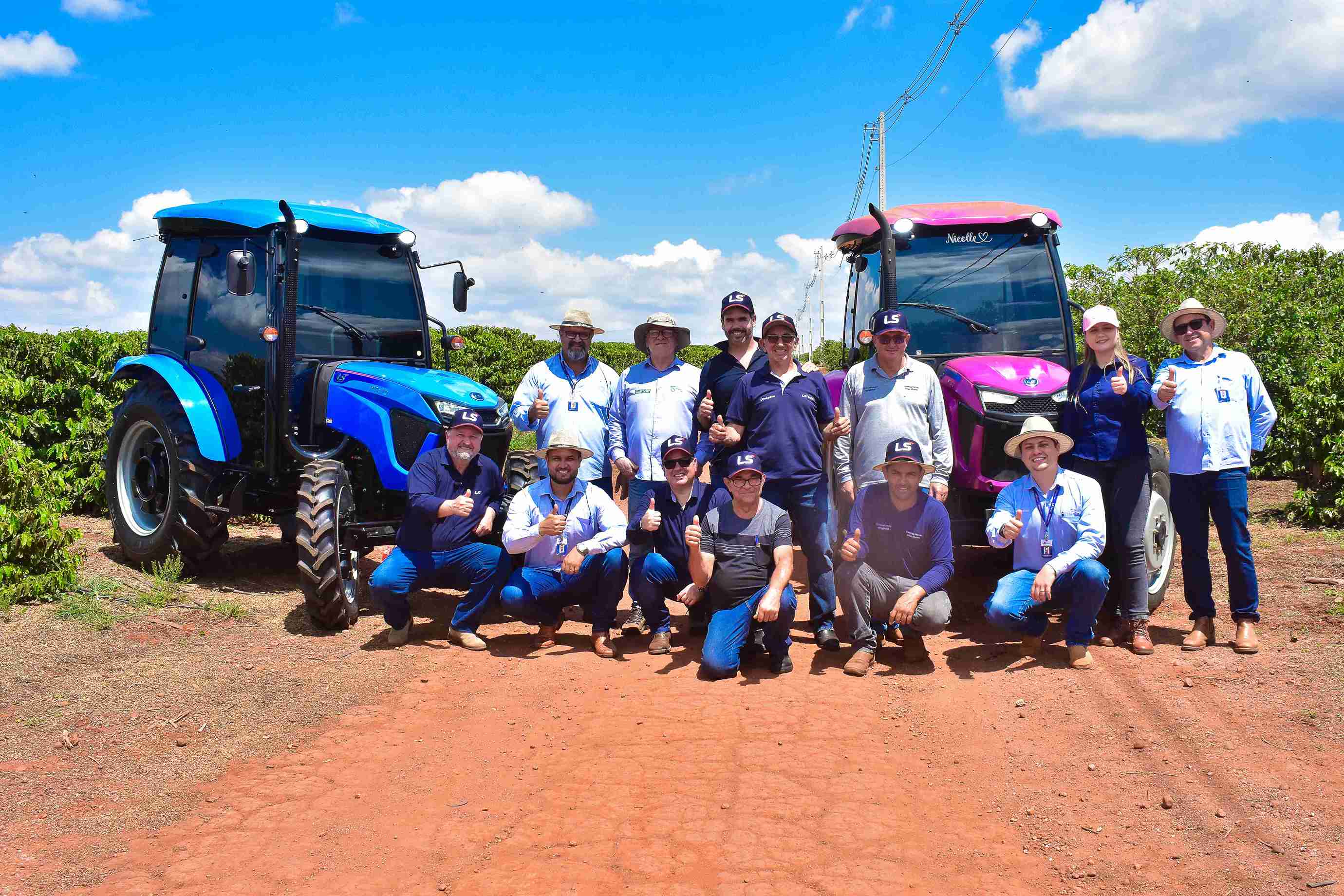
For the second time, we had the opportunity to interact in a test with the Olimáquinas team. In addition to sales consultants Vander Molina, Marcelo Barbosa, and Marlon Douglas, and the Uberlândia store manager, Júlio Aparecido da Silva, two important figures in the history of LS Tractor in Brazil were with us at Fazenda Furnas, observing all the evaluation activities and demonstrations of the new LS MT4 70 model's features. We were pleased to have Mr. Olidon Carlos da Silva there in person. He is an important figure in the mechanization of the state of Minas Gerais. Also present during the test was Juliano Silva, Mr. Olidon's son and CEO of the Lidon Group, of which Olimáquinas is a part. The Lidon Group is a company that began with Mr. Olidon's work and is comprised of various dealerships for tractor and agricultural machinery brands and two agricultural companies. Olimáquinas, the LS representative, is a commercial company that works intensively with mechanization, being the leading LS dealership in the country. It accounts for around 60% of the group's revenue and is the largest LS Tractor store in the country, as well as being the leading dealership in sales for the past ten years.
The location for our test couldn't have been better chosen. Fazenda Furnas, situated in the heart of the Triângulo Mineiro region, is very close to the municipality of Indianópolis. The farm, owned by Mr. Odair Moreno, is quite well-organized, with a fleet of standardized LS brand tractors. There we met Elton Adriano Valoto, Mr. Odair's son-in-law, and his brother-in-law Glauber Moreno, Mr. Odair's son, who, along with his sister Viviane Moreno, manage the business.
Although Mr. Odair is active and involved in decisions, we have also seen the new generation of the family emerging strongly, in the figure of Nicolle Moreno Valoto, Odair's granddaughter and Elton's daughter. Studying Agronomic Engineering at the Uberlândia Campus of the Triângulo University Center (Unitri), at only 20 years old and having worked with her father on the farm for two years, she is already quite integrated into the coffee production activities. Although she lives in Indianópolis and works on the farm during the day, she travels to study at night every late afternoon.
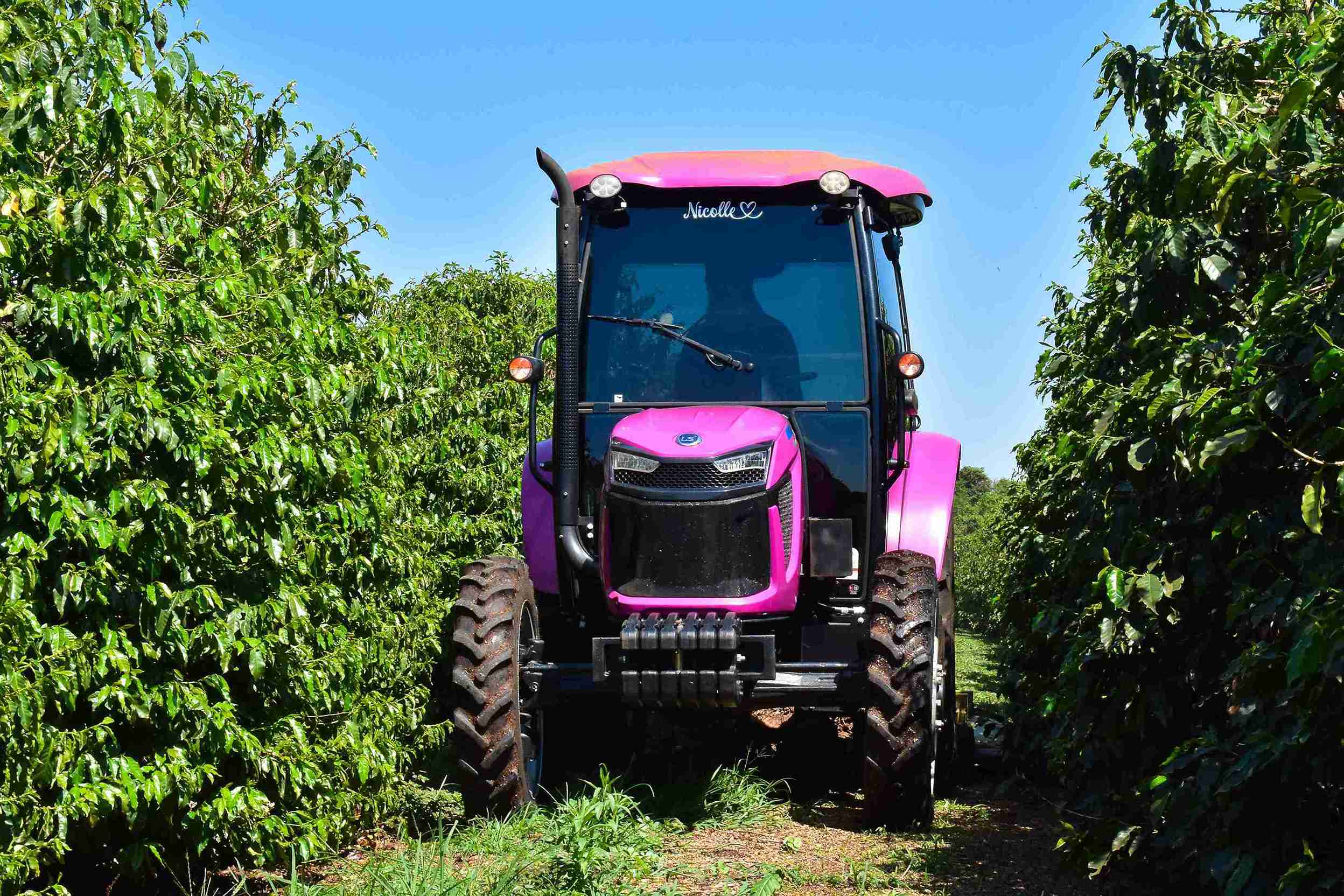
Although involved in the execution of various operations, under the coordination and training of her father, she performs some specialized tasks, such as the coffee traceability system, collecting and processing data. She told us that initially what motivated her was curiosity, a general interest in her father's and uncles' work, and then came the beginning of her learning with her father. Although shy at first, she ended up asserting herself among her colleagues and today, Nicolle represents a succession model expected by the whole family that has become a reality and will bring many contributions to a traditional quality process that will be improved with her professional training.
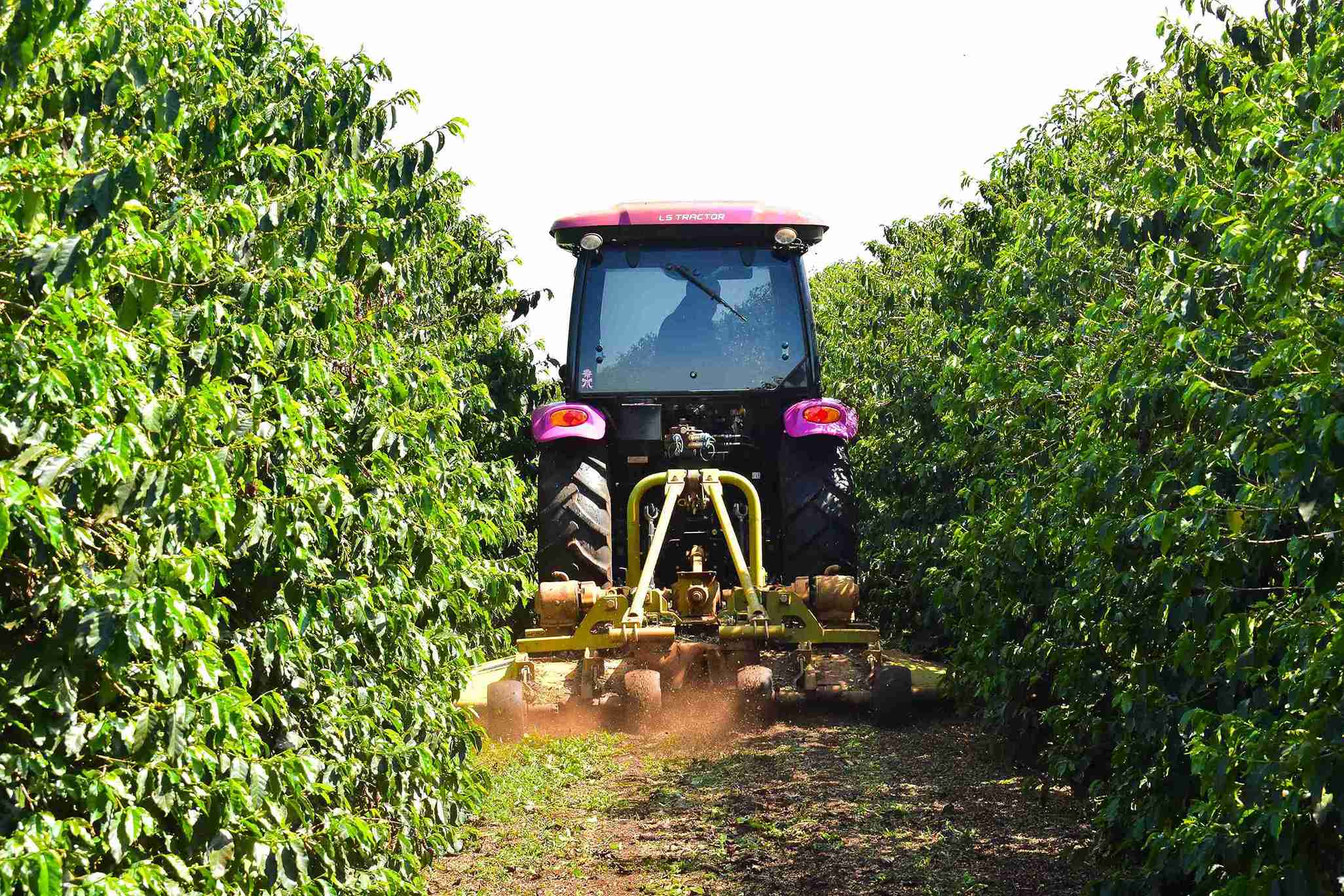
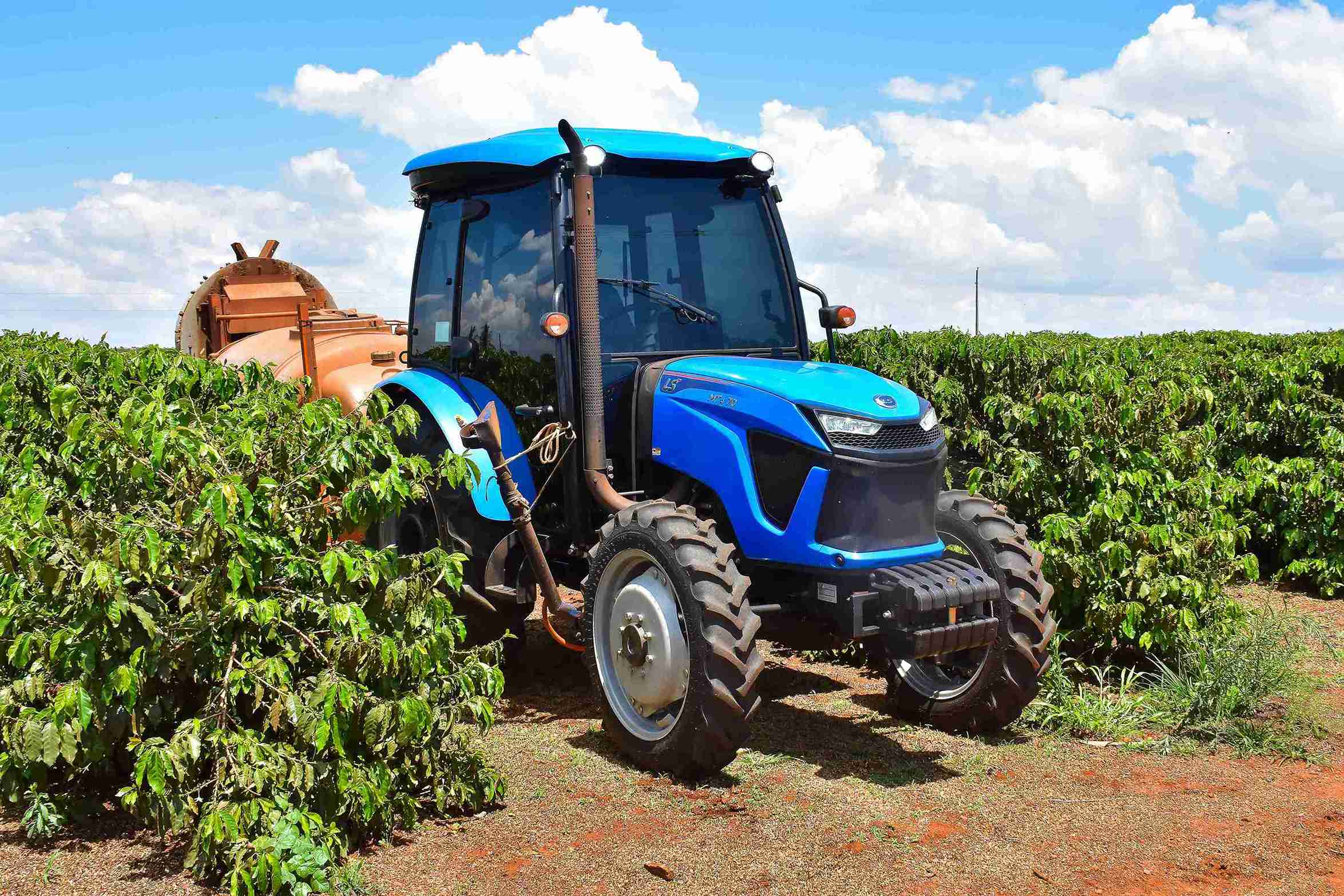
The farm's activity during harvest season, which runs from May to August, represents the peak of the workload, followed by the renewal phase. During our test, the operations being carried out were mowing the spaces between the coffee plants with a traditional brush cutter and applying an organic fertilizer bioproduct at the base of the coffee plants. Nicolle demonstrated her skill, working with her LS MT4 70 tractor, which was entirely decaled in pink. Another tractor, in the traditional LS colors, was coupled to a Jacto Airbus 2000 turboatomizer with a special application device that diverted the spray to it, applying it only to the rows of coffee plants.
The positive aspects of this model, highlighted by Nicolle, were the cabin comfort, the air conditioning, the smoother operation, the maneuverability, and the ease of operation.
The coffee from Fazenda Furnas is of high quality and is destined for the Cooperativa de Cafeicultores na Região do Cerrado Mineiro (Coocacer), in Araguari, which receives beans from more than 55 municipalities in the Cerrado Mineiro region and is highly developed in sustainability processes and environmental maintenance.
We were also assisted in the field test by LS Tractor product supervisor Pedro Bassi; product and marketing consultant Astor Kilpp; a team of professionals from Olimáquinas; and operator José Victor dos Santos, who is very familiar with LS tractors and was quite enthusiastic about what this new model offers.
José Fernando Schlosser
Agrotechnology Laboratory – NEMA/UFSM
Receive the latest agriculture news by email



Receive the latest agriculture news by email