The challenge of scaling technology for the field.
By Caio Giaretta, Director of R&D and Innovation at Baldan
23.10.2026 | 14:08 (UTC -3)
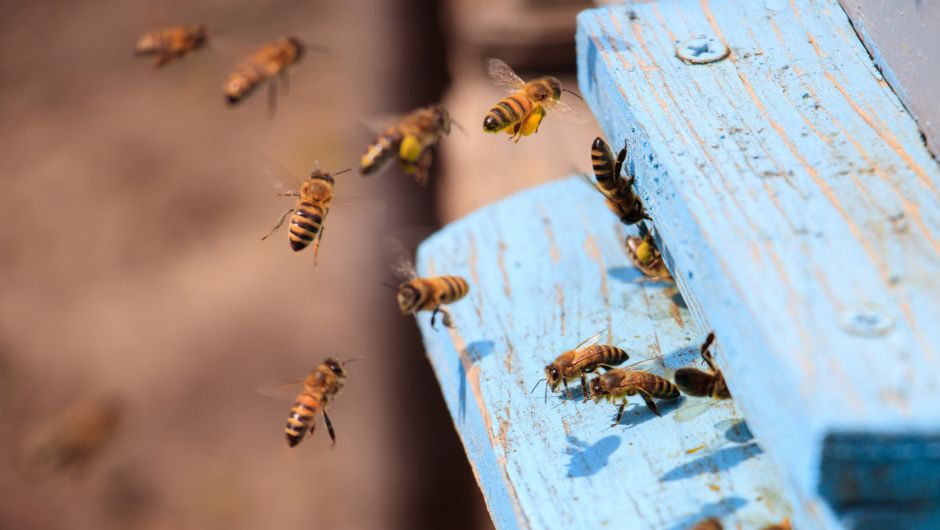
Beekeeping requires constant monitoring, attention to environmental conditions, and, above all, a good relationship with agricultural activities that occur near the apiaries. I have worked in beekeeping for over 10 years and, throughout this time, I have learned that communication between beekeepers and farmers is one of the main ways to prevent problems and find effective solutions.
Currently, with around 35 hives of Apis mellifera (European honeybee), in Votuporanga (SP), I maintain my apiaries in a region surrounded by agricultural production areas, with orange groves and sugarcane fields nearby.
This coexistence is part of the reality for many beekeepers, and therefore I consider it essential that there is an exchange of information between the parties. Knowing the location of the hives, the characteristics of the production, and the application periods are important pieces of information so that the activities can take place safely.
I have a habit of visiting my apiaries frequently, practically every other day. This close monitoring allows me to quickly notice any changes in the bees' behavior.
On one of these visits, I observed that some of them were behaving differently than usual on the flight path. When trying to enter the hives, they would spin, fall, and die. Given the situation, I made video recordings to document it. Having experienced a similar situation before, I understood that it was important to seek guidance and report the incident.
It was at that moment that I sought assistance from Colmeia Viva's 0800 number, as recommended by another beekeeper. The contact was important so that I could explain what had happened and receive guidance on the next steps.
I was assisted and able to report the details and conditions observed at the location. I received guidance on the importance of properly documenting the information and on the procedures for forwarding the case.
In my case, two beehives were affected. The number of bees lost was very large, and it was necessary to discard combs and honey supers that were full of honey, which impacted the activity – it has not yet been possible to determine the causes.
This experience reinforced for me the importance of knowing who to turn to when something out of the ordinary happens. Beekeepers often face unexpected situations and don't know exactly what steps to take, which agencies to contact, or how to properly document what happened. Having access to a support and guidance channel can make all the difference at that moment. And more important than dwelling on the past, I want improvements for the future, so that this situation doesn't happen again.
At the same time, I believe we need to improve the information that reaches beekeepers. It is important that they know the procedures for reporting an incident, understand the need to seek assistance from official agencies, and receive guidance on the documentation and steps involved in investigating a case.
The relationship with farmers also needs to be strengthened. Beekeepers are responsible for the installation and management of beehives and must consider the characteristics of the surrounding productive areas. Similarly, those who apply pesticides to crops need to be aware of the presence of nearby apiaries and take the necessary precautions to reduce the risks of exposure for bees.
This communication can begin with something simple: direct contact. Informing each other about the location of apiaries, discussing application periods, and aligning procedures can help avoid conflict. When there is knowledge about each other's activities, it becomes easier to find alternatives that allow for coexistence between agricultural production and beekeeping.
Environmental conditions also need to be considered. Wind, the presence of flowers, the bees' activity schedule, and proximity to water resources are factors that should be part of the planning of field activities. These precautions help reduce risks and promote a safer coexistence between agriculture and beekeeping.
Therefore, I believe that initiatives that bring beekeepers, farmers, and institutions closer together are important to expand knowledge and guide decisions in the field. The Colmeia Viva toll-free number plays a relevant role in this process by offering a channel for beekeepers to report incidents and receive guidance on how to proceed.
In my experience, having this support made a difference because, when faced with a mortality situation, I needed to understand which paths to follow. The assistance helped organize the information and find the appropriate procedures with the agencies responsible for evaluating and referring the case.
We still have a long way to go. The coexistence of beekeeping and agriculture requires responsibility from everyone involved. The producer needs to be attentive to the application conditions, while the beekeeper must monitor their apiaries and maintain close communication with neighboring properties.
When there is dialogue and information, it becomes easier to build a safe and harmonious coexistence among everyone.
By Anderson Roberto dos Santos, beekeeper
Receive the latest agriculture news by email



Receive the latest agriculture news by email
By Caio Giaretta, Director of R&D and Innovation at Baldan

With a 70 hp engine, the new MT4 70 series from LS Tractor, tested by our team, features an LS 32F x 16R transmission with super-reduction, three PTO speeds (540, 750, and 1.000 rpm), and a new original cab from the brand